読み込み中…

/
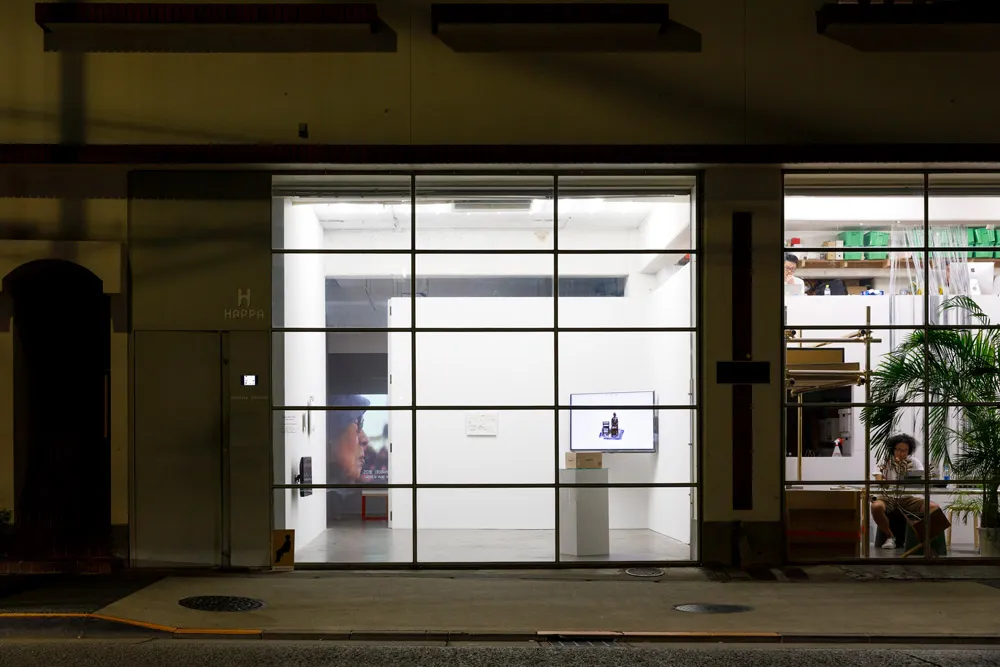
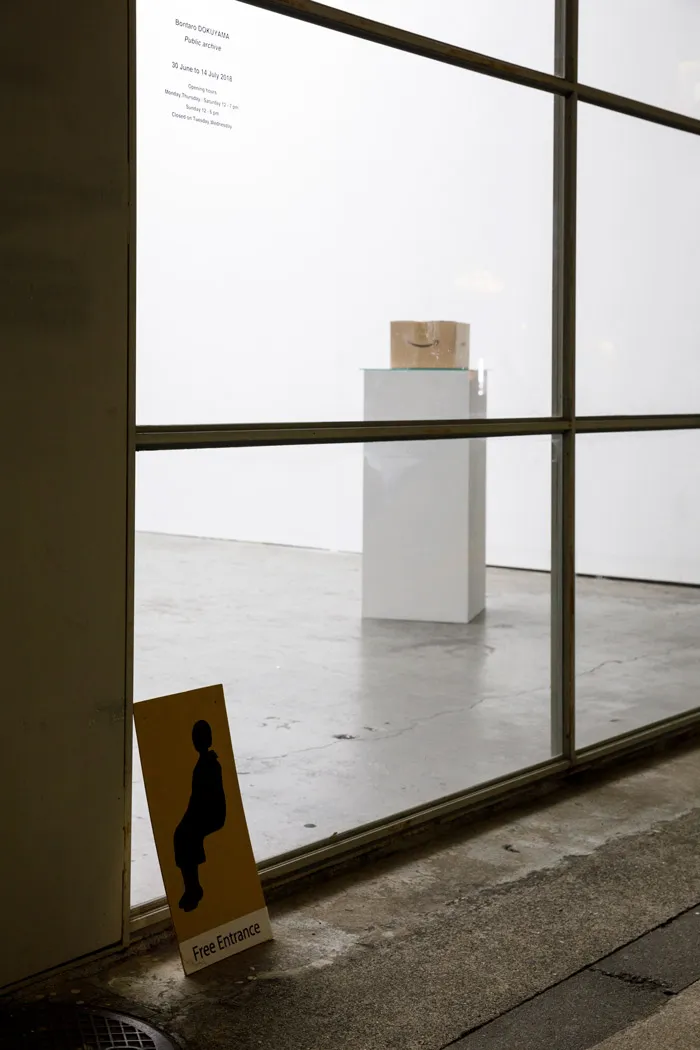
Bontaro Dokuyama : Public archive
30 Jun – 14 Jul 2018
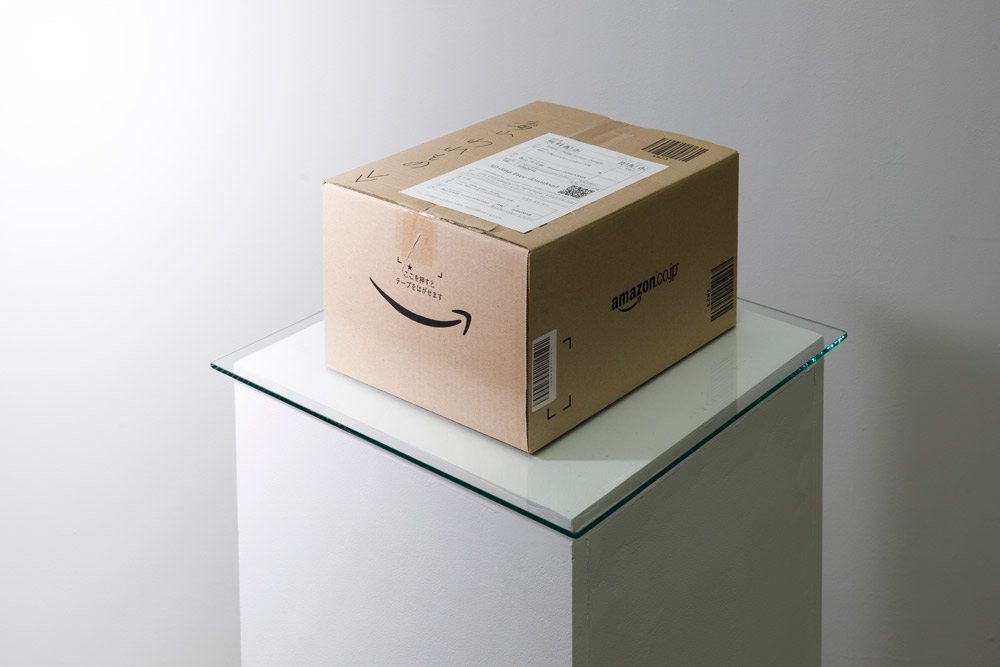
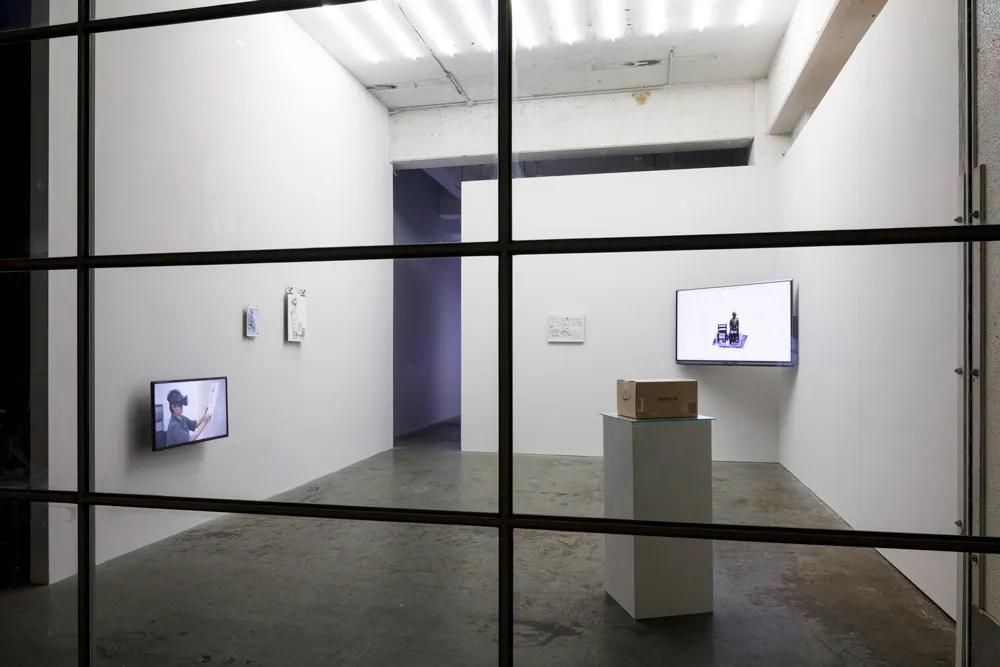
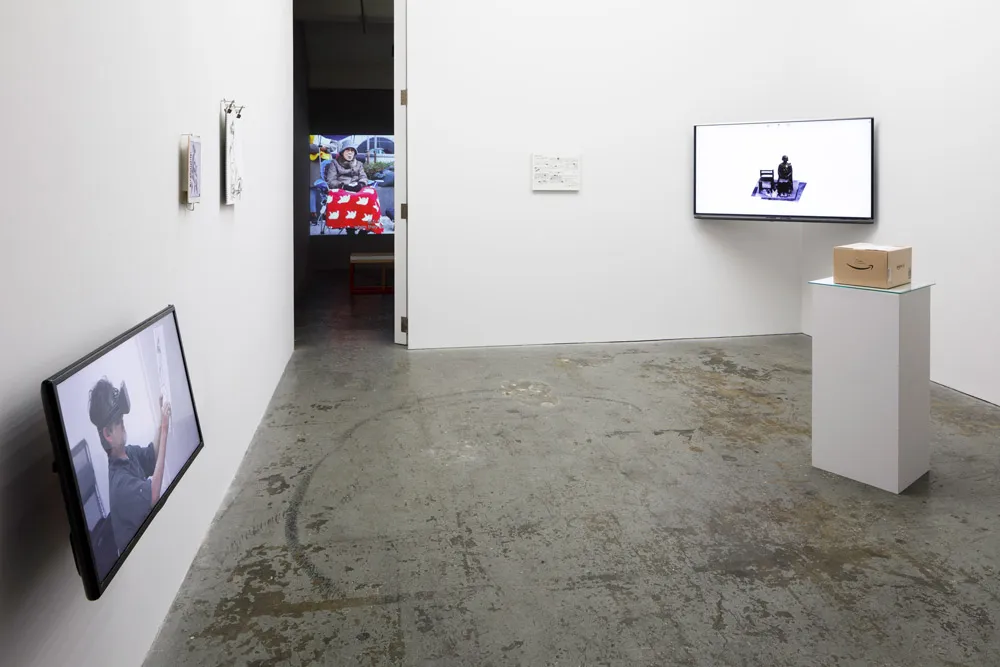
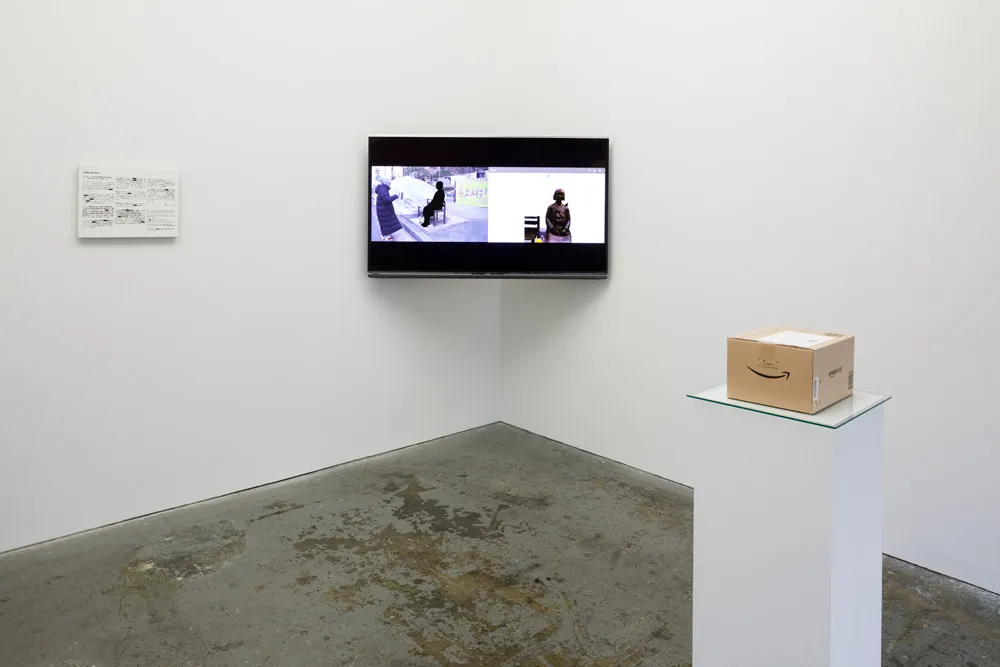
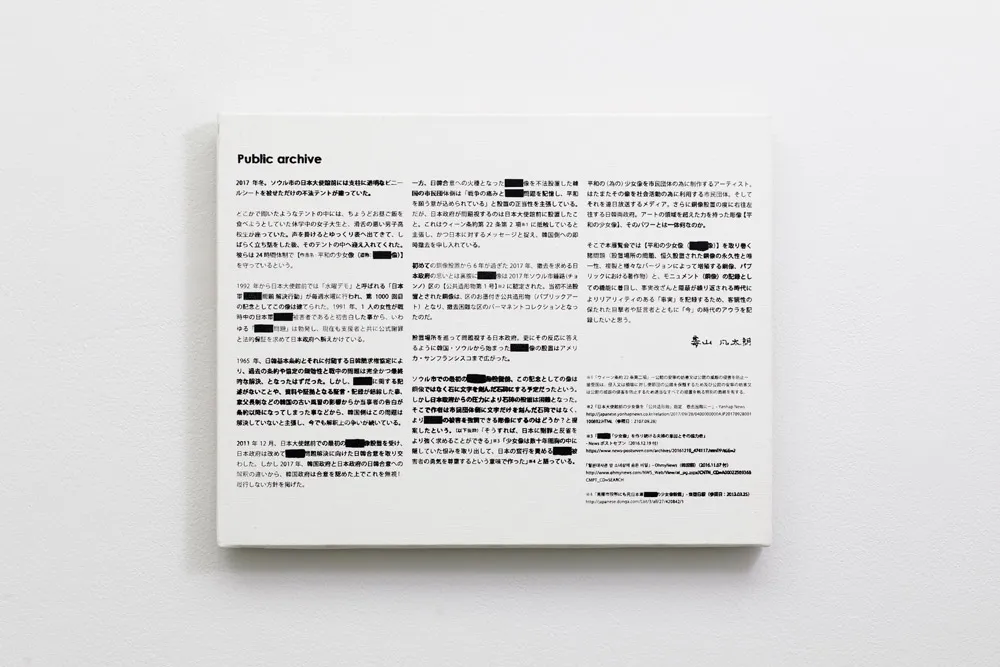
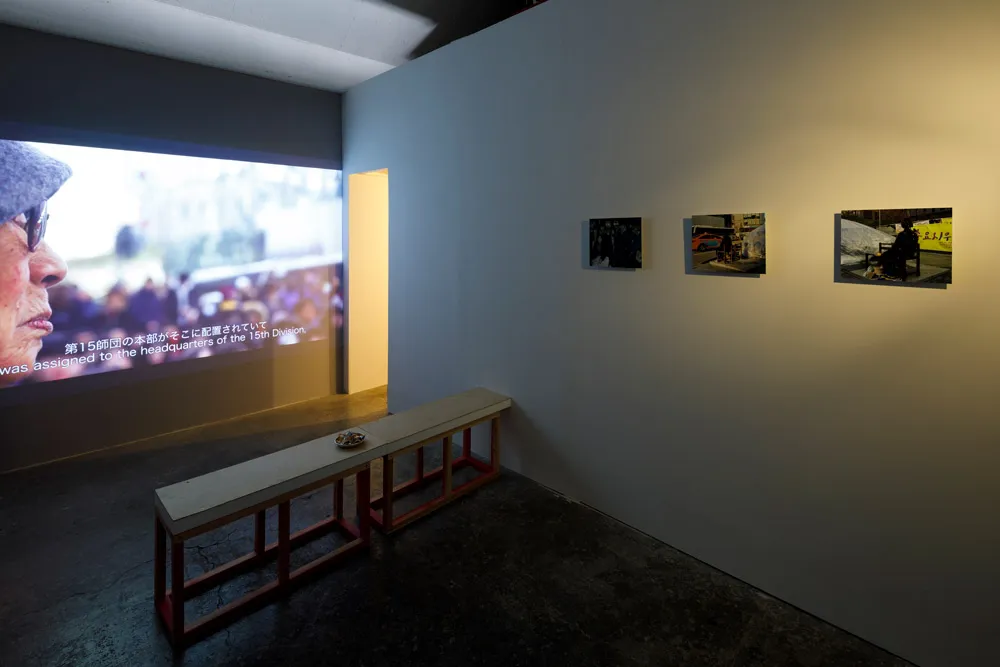
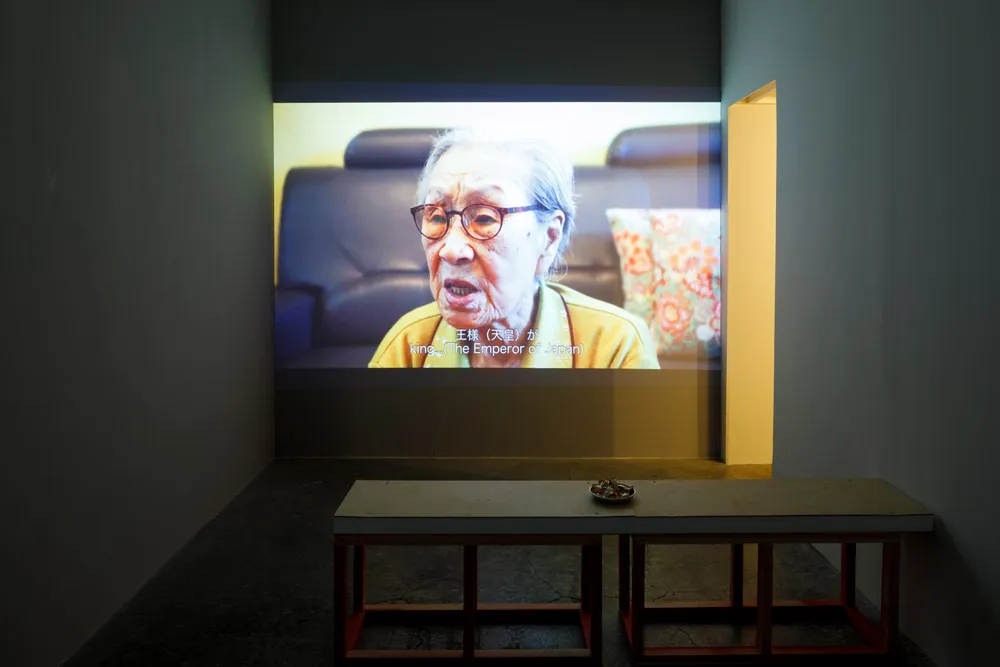
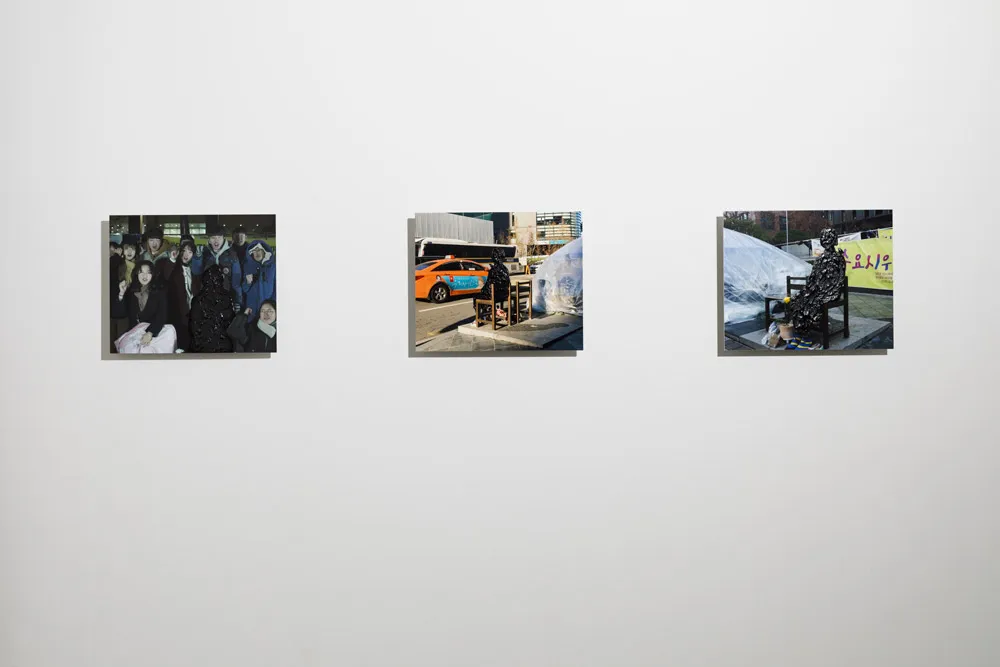
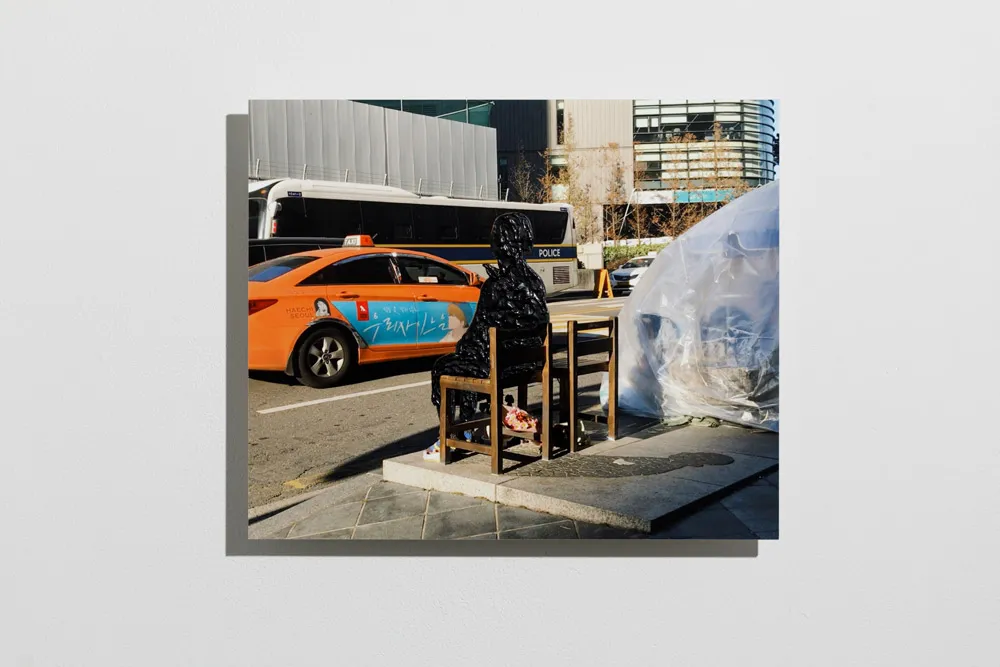
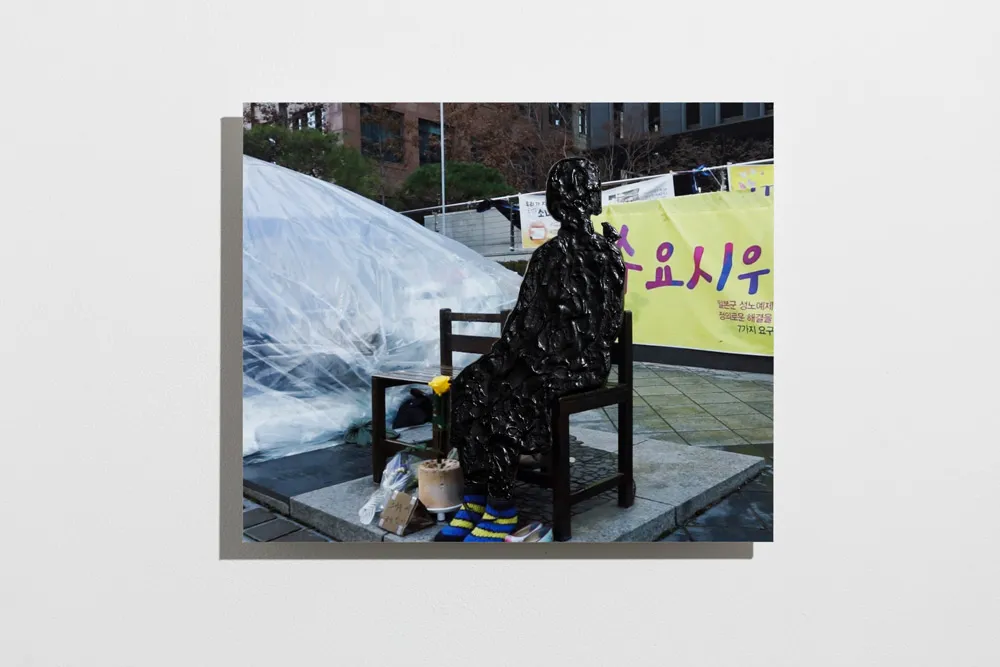
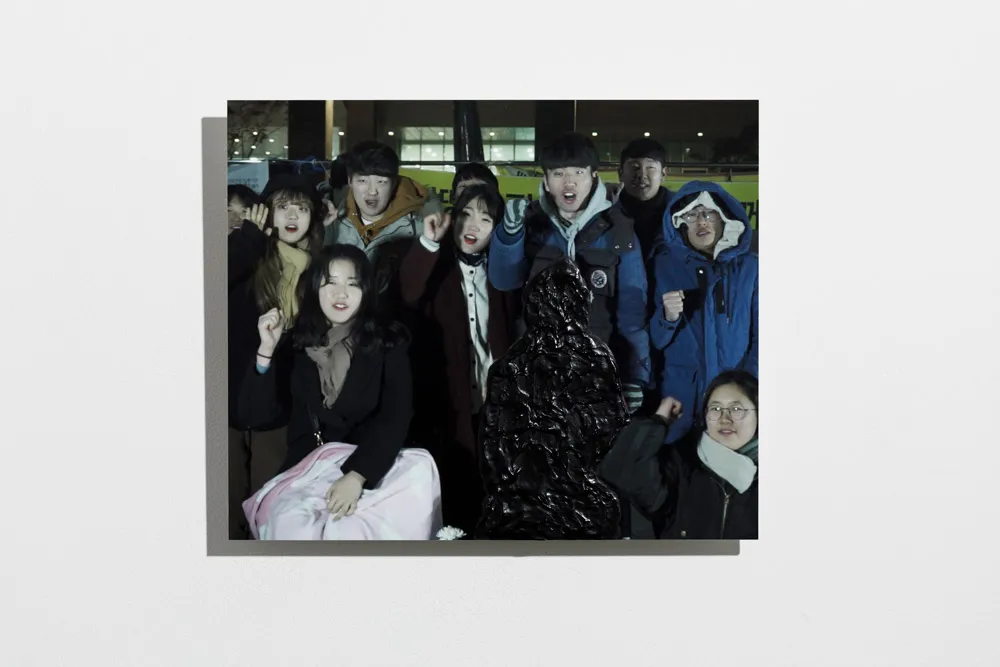
His new project is based on the idea of non-commercial reproduction in public art with the hope it will be more widely received by the general public. For this reason, Dokuyama created scan data from public sculptures in Seoul, South Korea, and distributed them for free in the attempt to raise awareness through the means of social media. It will be impossible to unlock the future without confronting the past, how things really were, and the way the past has been recorded, if at all. There is no questioning fact or hiding from reality. This is the world we live in. We sincerely look forward to each and everyone taking part in Dokuyama’s new project, irrespective of age, ethnicity, or belief. In the winter of 2017, I discovered a tent covered by a transparent vinyl sheet which seemed to have been placed illegally in front of the Japanese Embassy in the city of Seoul. In the tent, there was a college aged female and a teenage boy. The woman sat eating her lunch and I noticed that the boy had a speech impediment. The tent seemed vaguely familiar. After speaking to them for a few minutes, they invited me in. They explained to me that they were guarding “The Statue of Peace” (Ianfu-zō), twenty-four hours a day. A demonstration demanding Japan to redress the comfort women problems called “The Wednesday Demonstration” started in 1992 in front of the Embassy of Japan in Seoul. “The Statue of Peace” was erected to honor the comfort women on the 1,000th “Wednesday Demonstration”. In 1991, a woman who was a victim during the war, publicly denounced the Japanese government for how it had been handling the “Comfort women issue”. To this day, with her supporters, she is still requesting the Japanese government for an official apology and reparations. A settlement claims agreement between Japan and the Republic of Korea had been reached in 1965 but did not include any mentions of Korean comfort women. In addition, because of certain traditional Korean customs and societal implications many former comfort women found it extremely difficult to come forward and provide evidence and testimonies of their experiences. Because of the new evidence that came to light after the agreement, the Korean government has claimed that the comfort women issue is still unresolved. This conflict continues today. In December 2011, a Korean civil group reignited the conflict by illegally installing “The Statue of Peace” in front of the Japanese embassy in Seoul. The Japanese government claimed that the installation of the statue violated South Korea’s treaty obligations under Article 22 of the Vienna Conventions (1) which both countries have ratified. This situation led the Japanese government to readdress the original 1965 settlement. Yet in 2017, the Korean government officially declared not to implement the revised settlement due to a difference in interpretation. Six years after its first installation, “The Statue of Peace” was recognized as “Public Statue No.1” (2) in Jongno-gu (district of Seoul). The statue received legal protection despite the Japanese government’s request to have it removed. The statue was certified as public art and as a permanent fixture in the ward.
Credits
- Cooperation
- Aozora Mimi