読み込み中…

/
Mitsutoshi Hanaga Archives Project
23 Jul – 20 Aug 2016
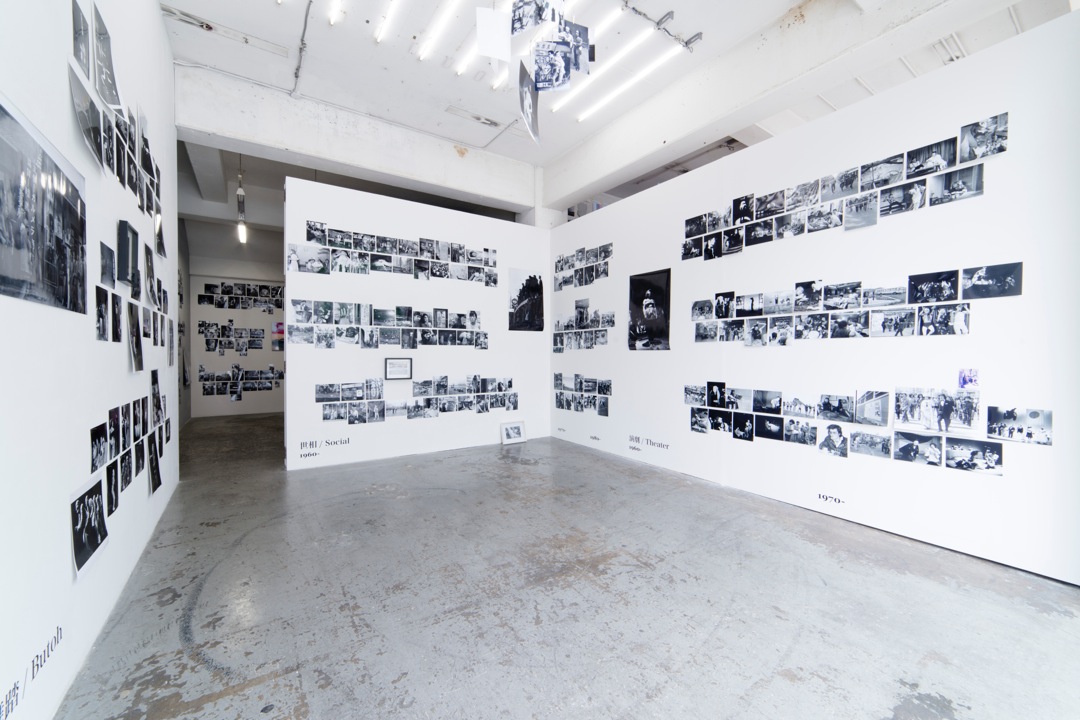
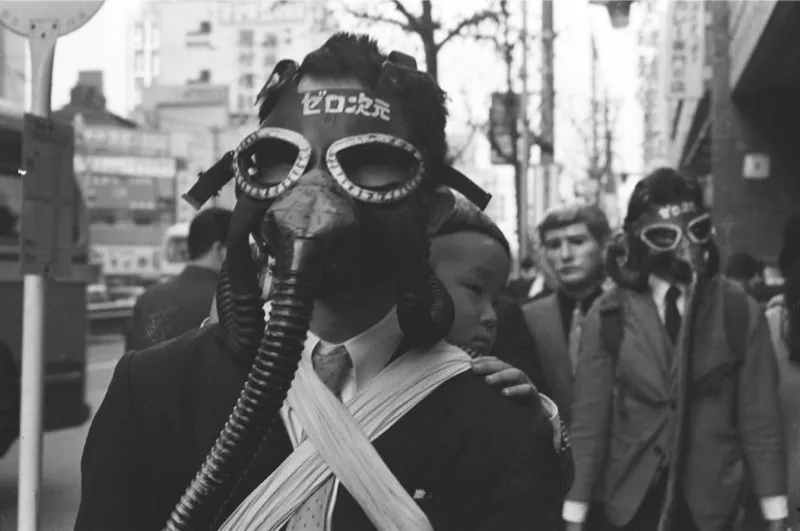
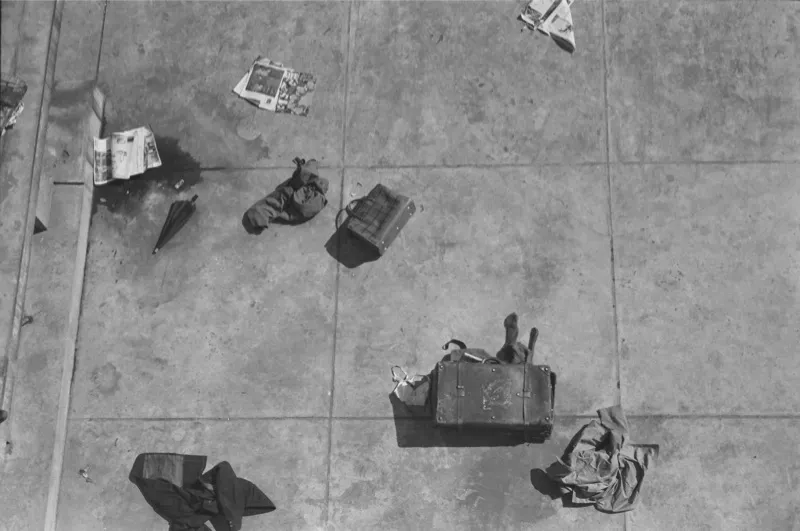
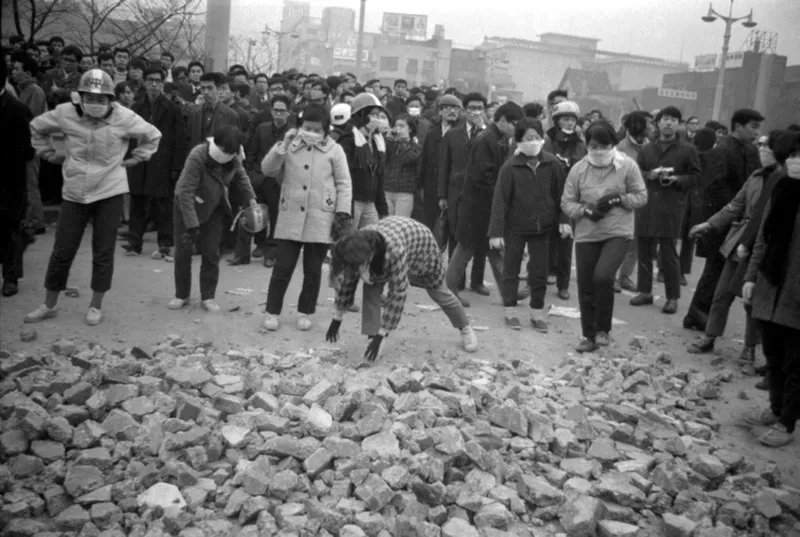
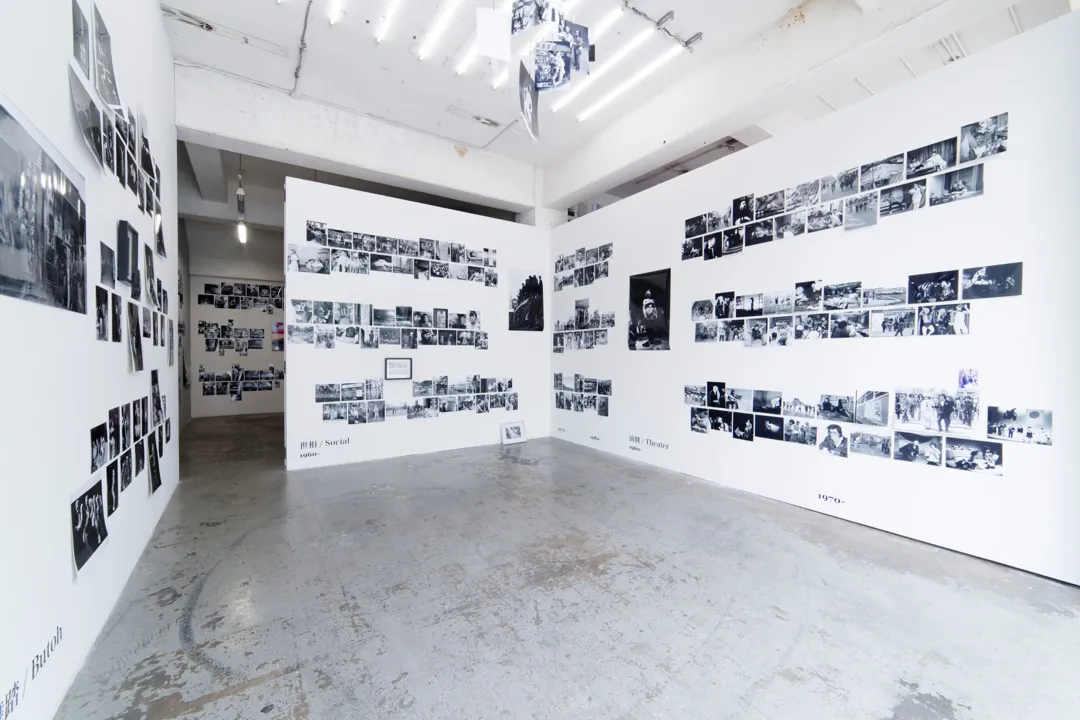
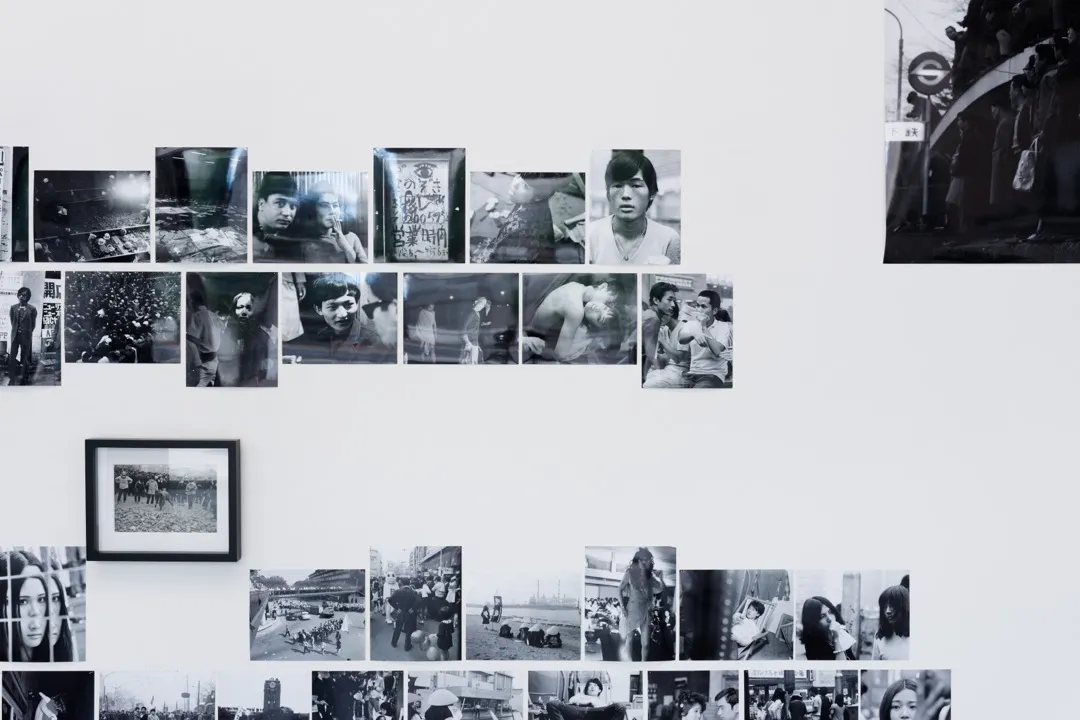
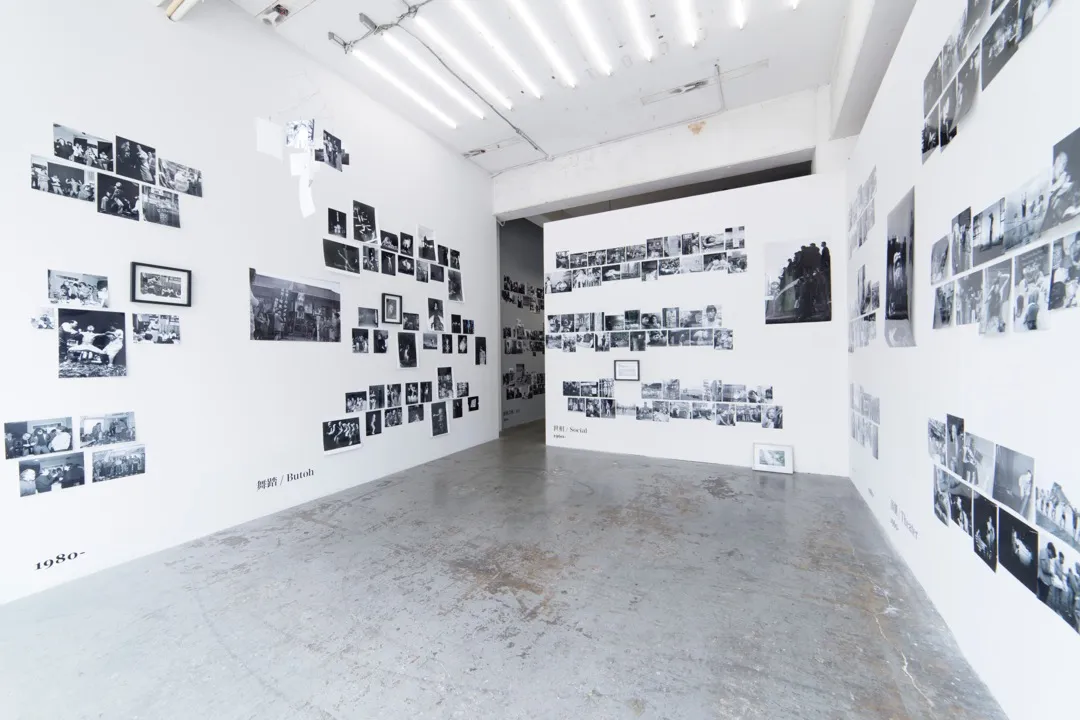
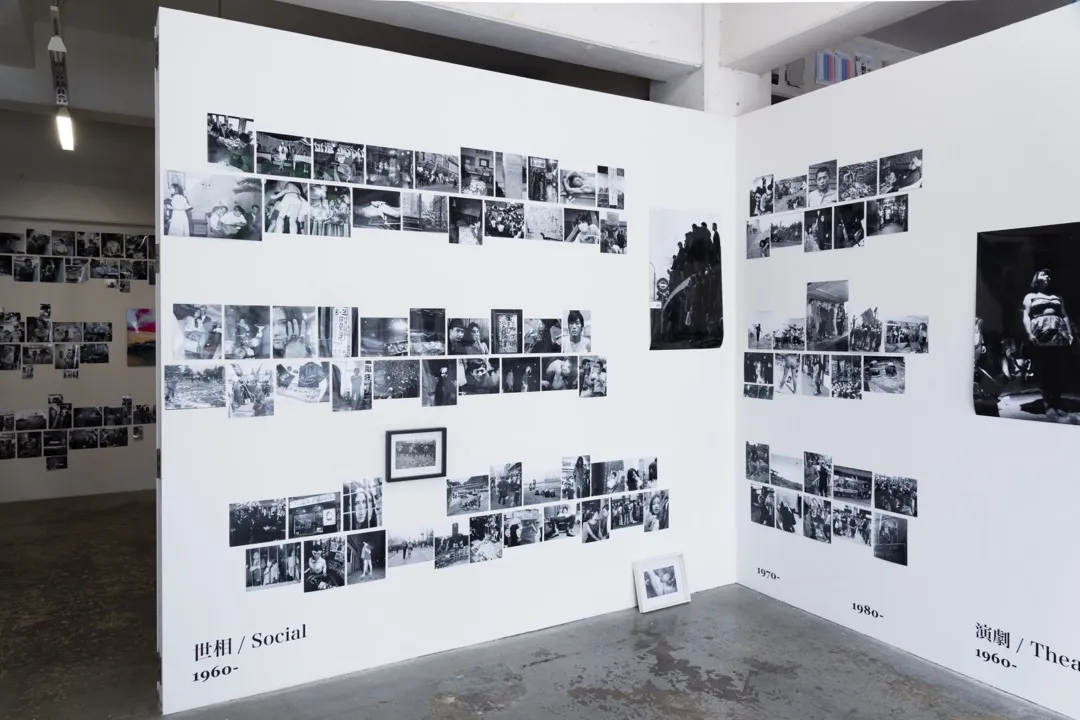
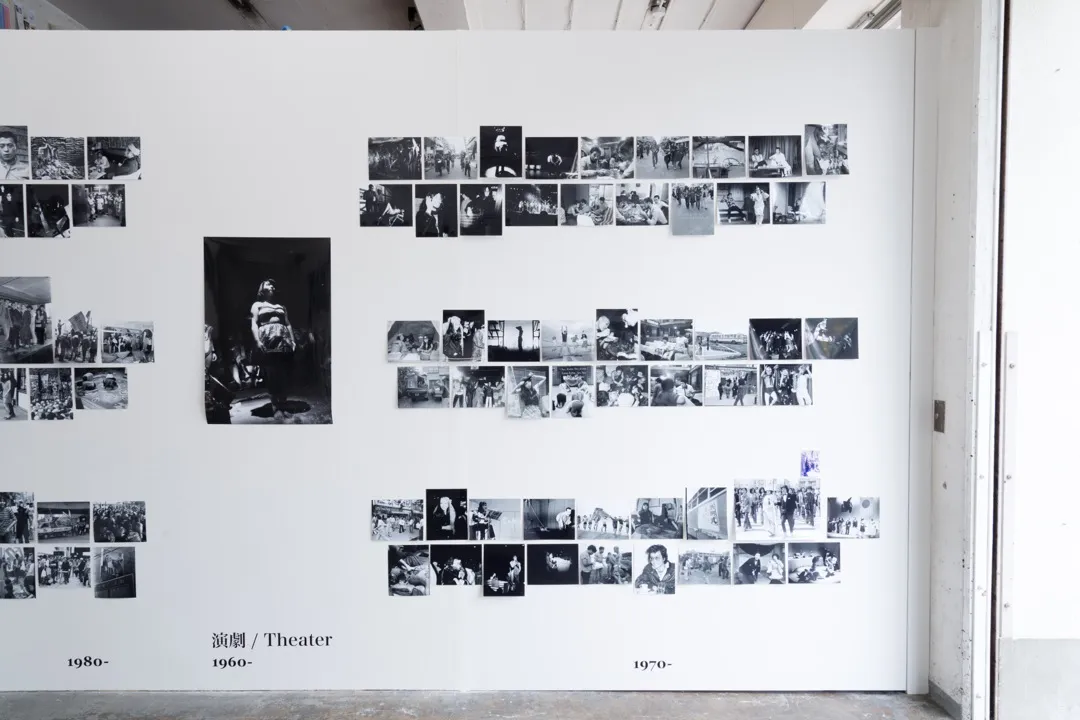
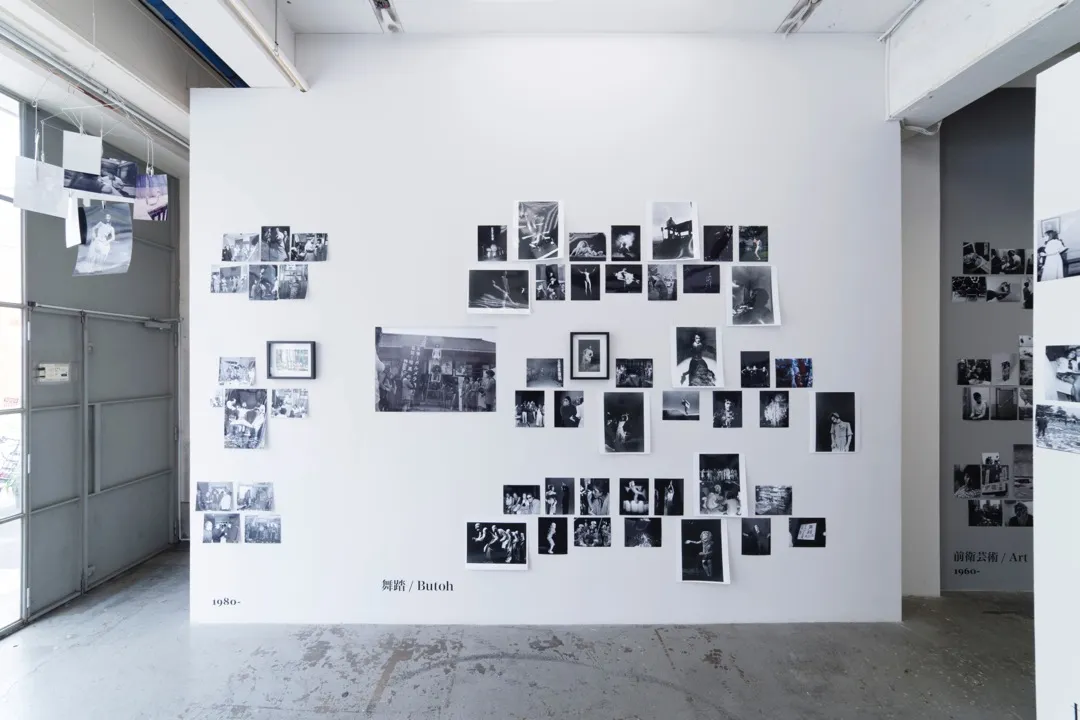
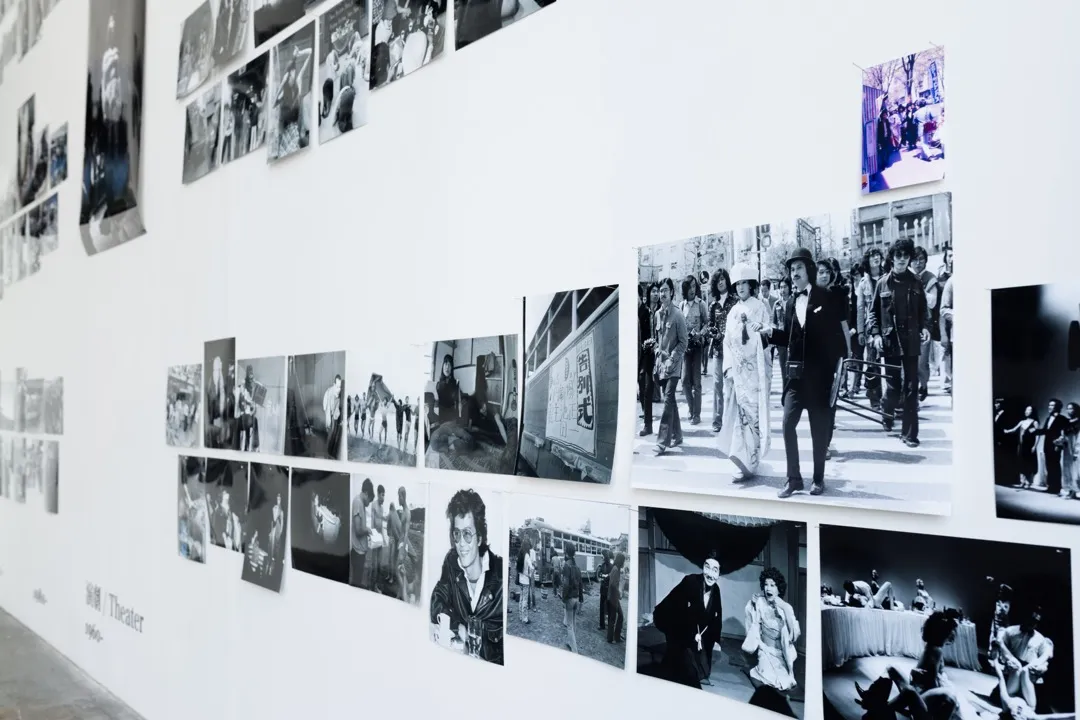
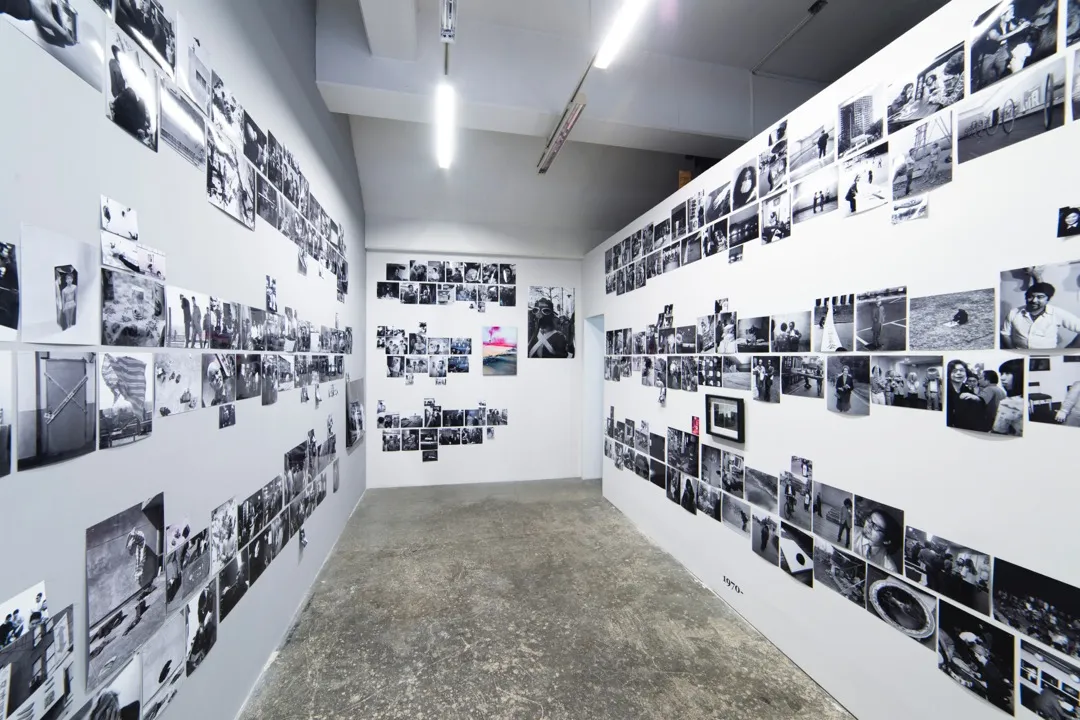
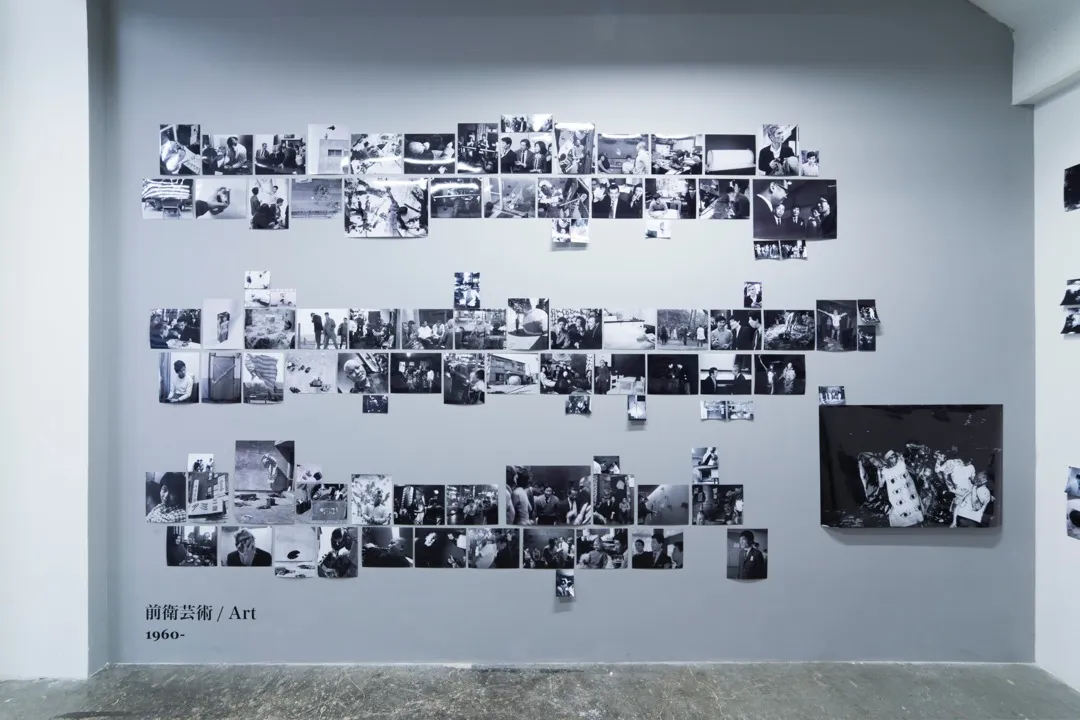
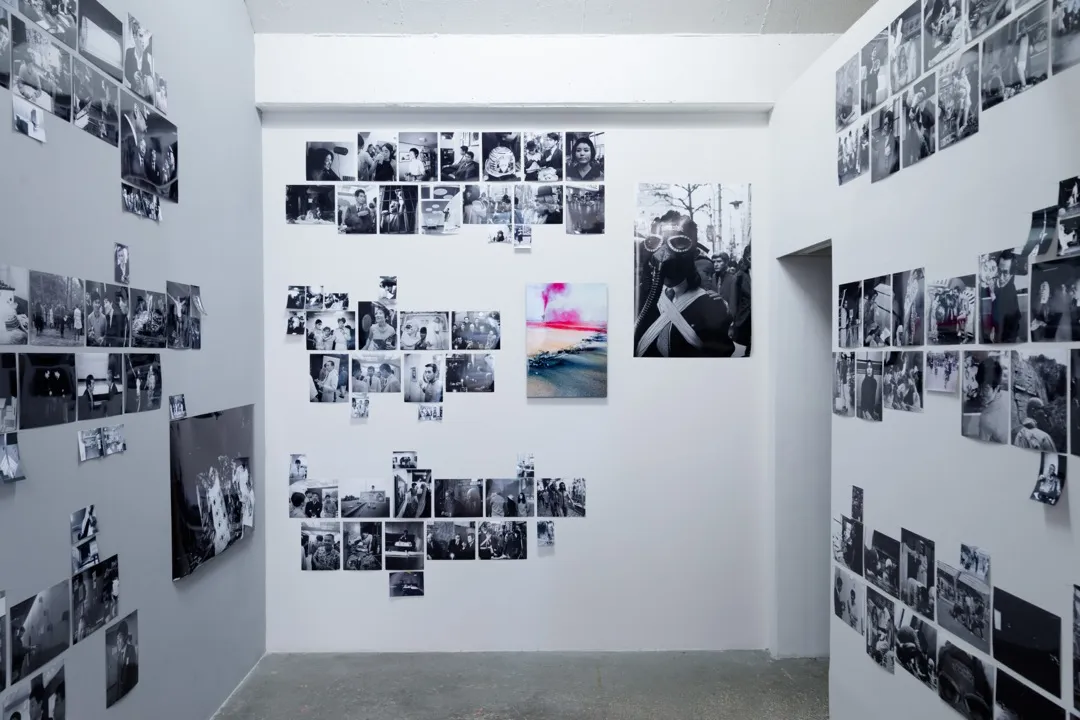
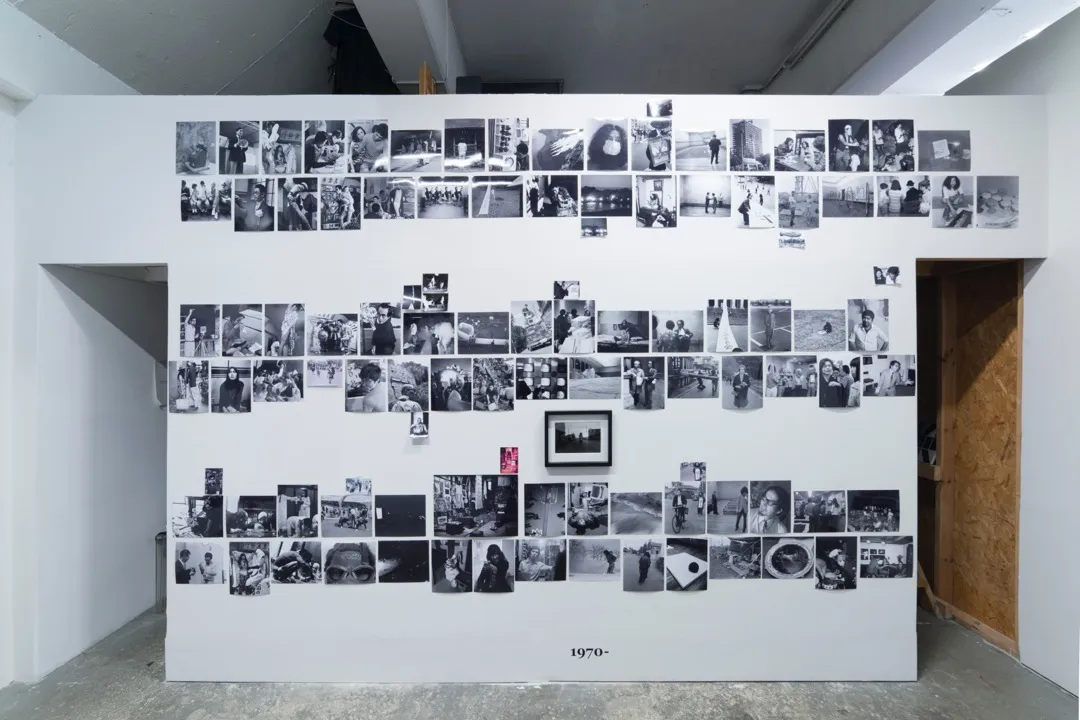
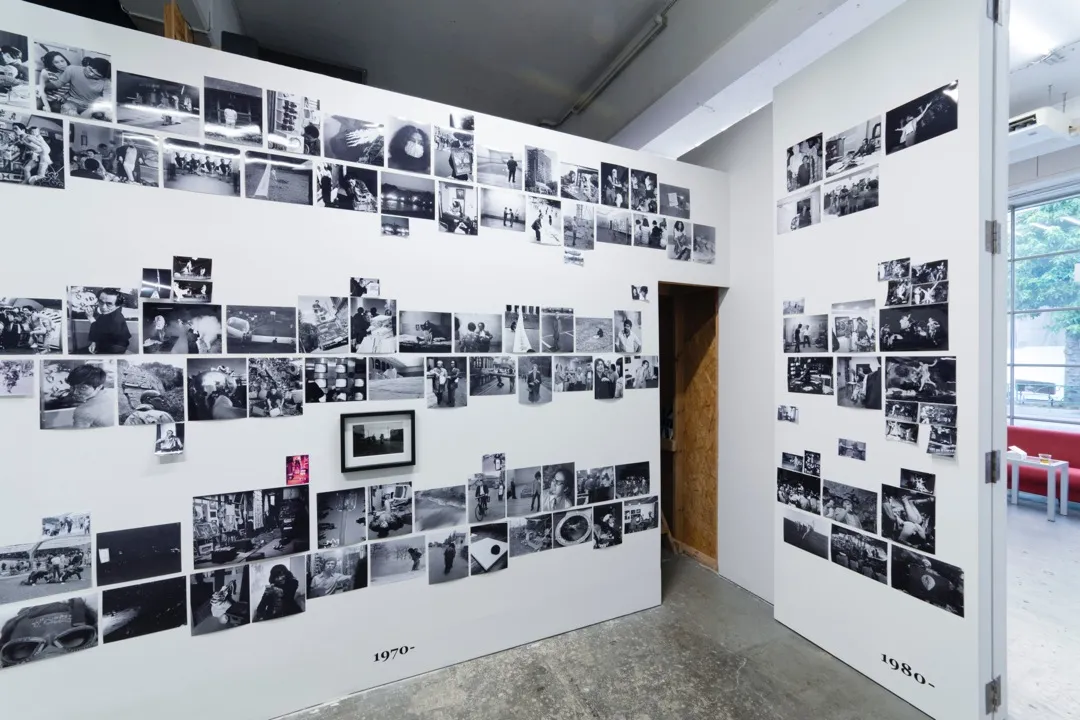
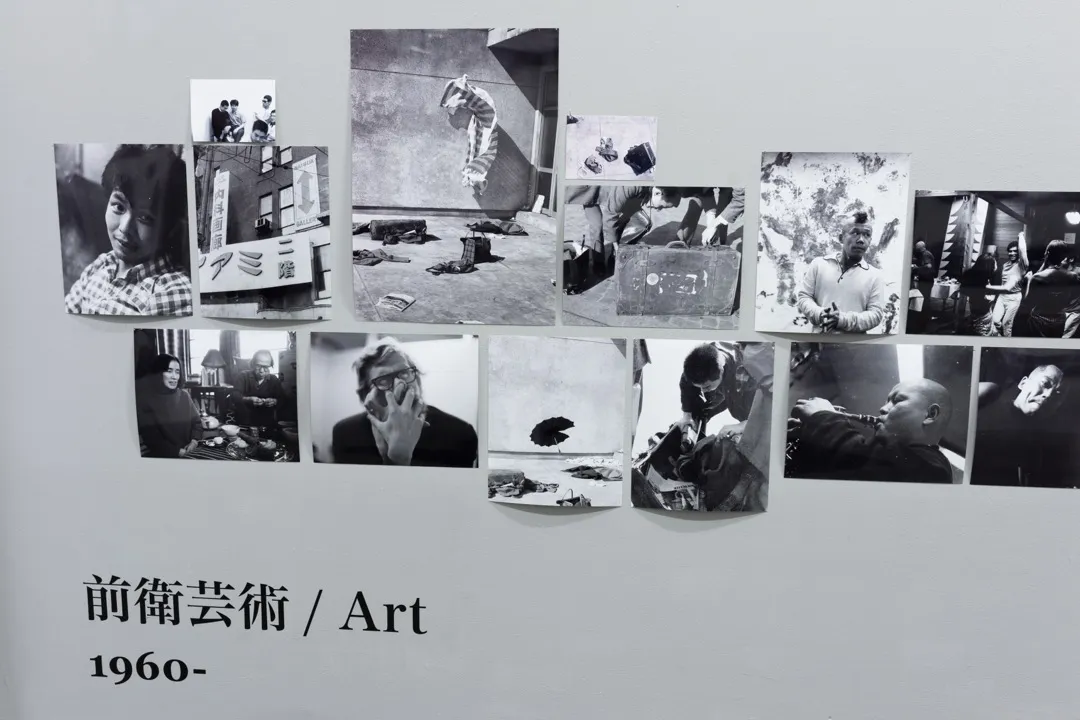
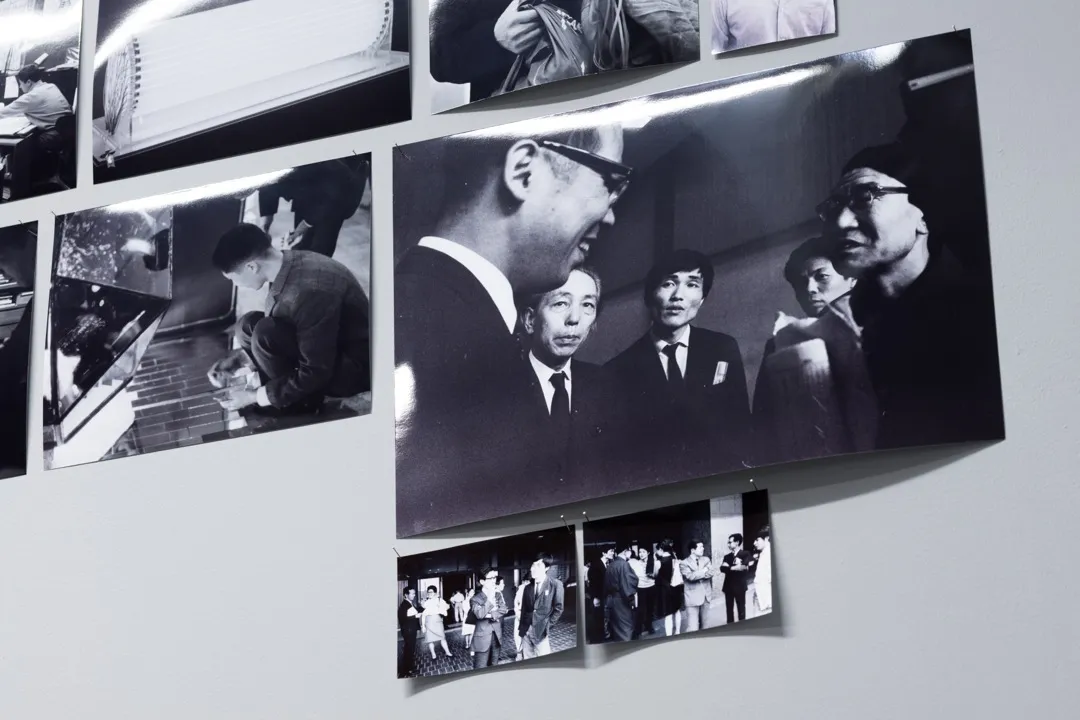
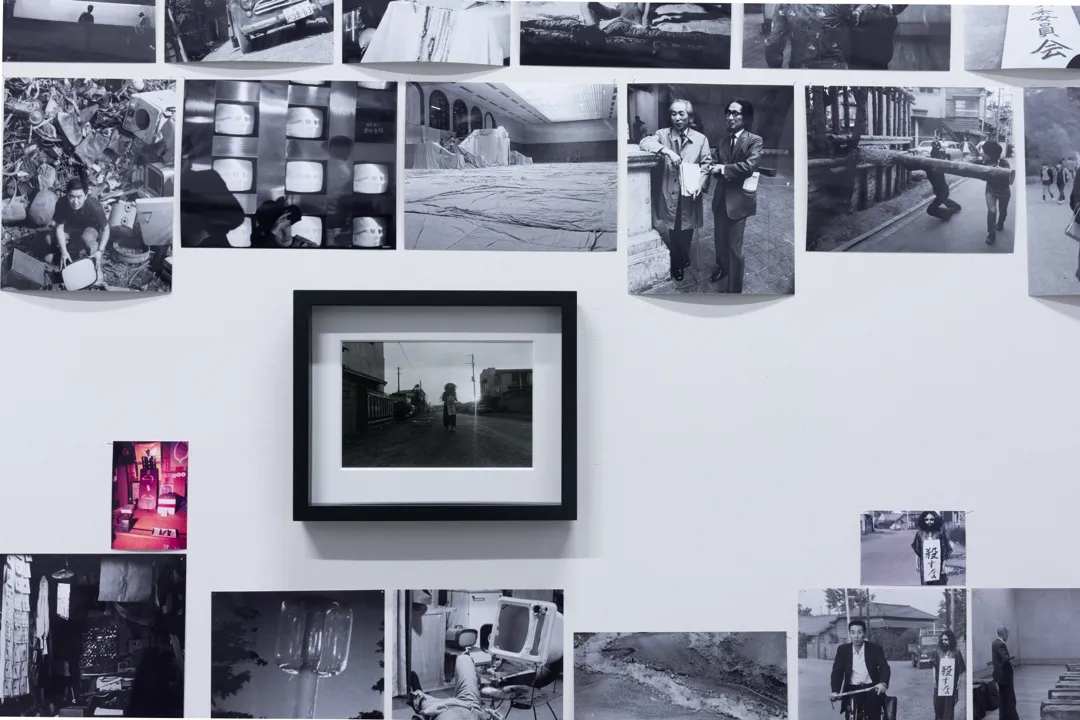
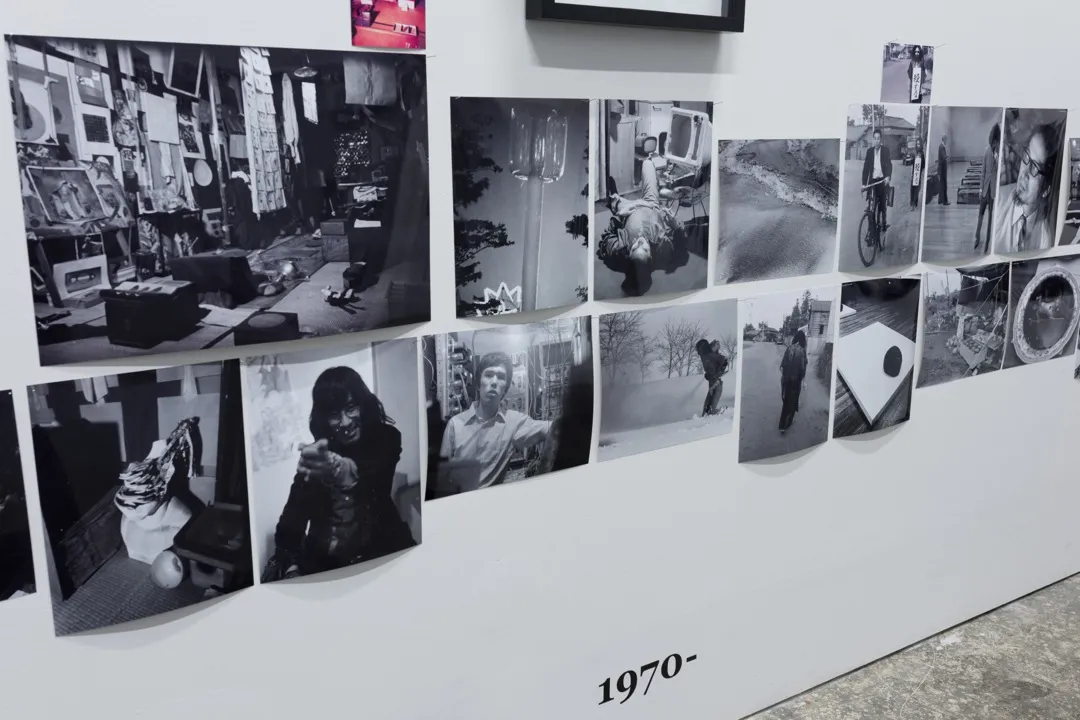
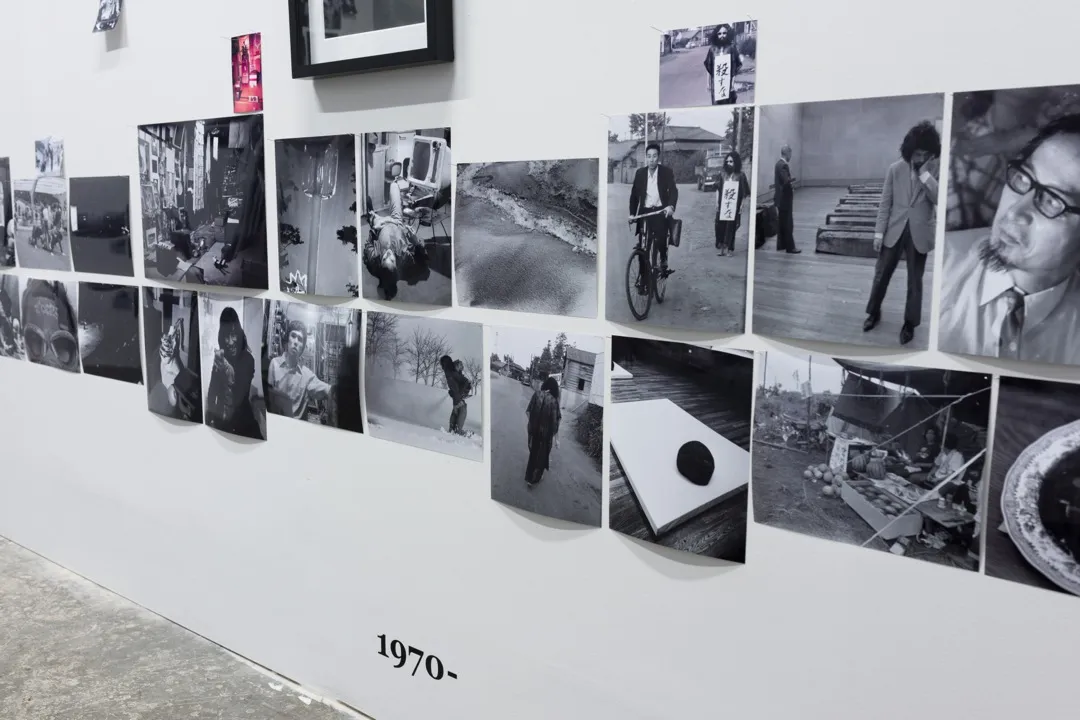
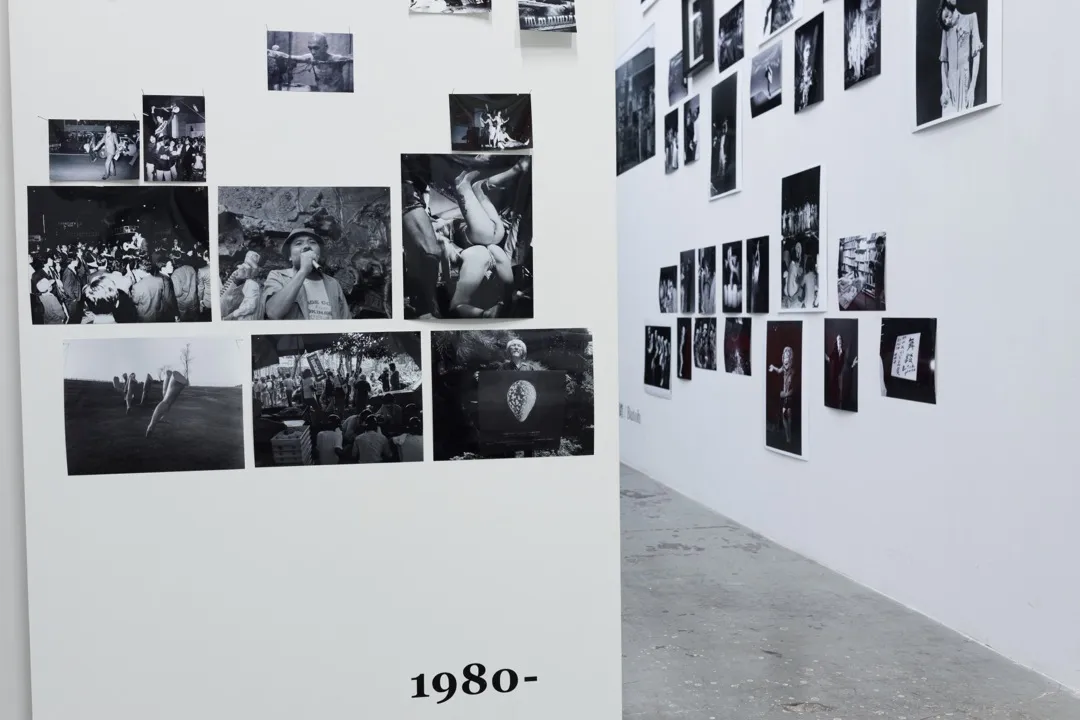
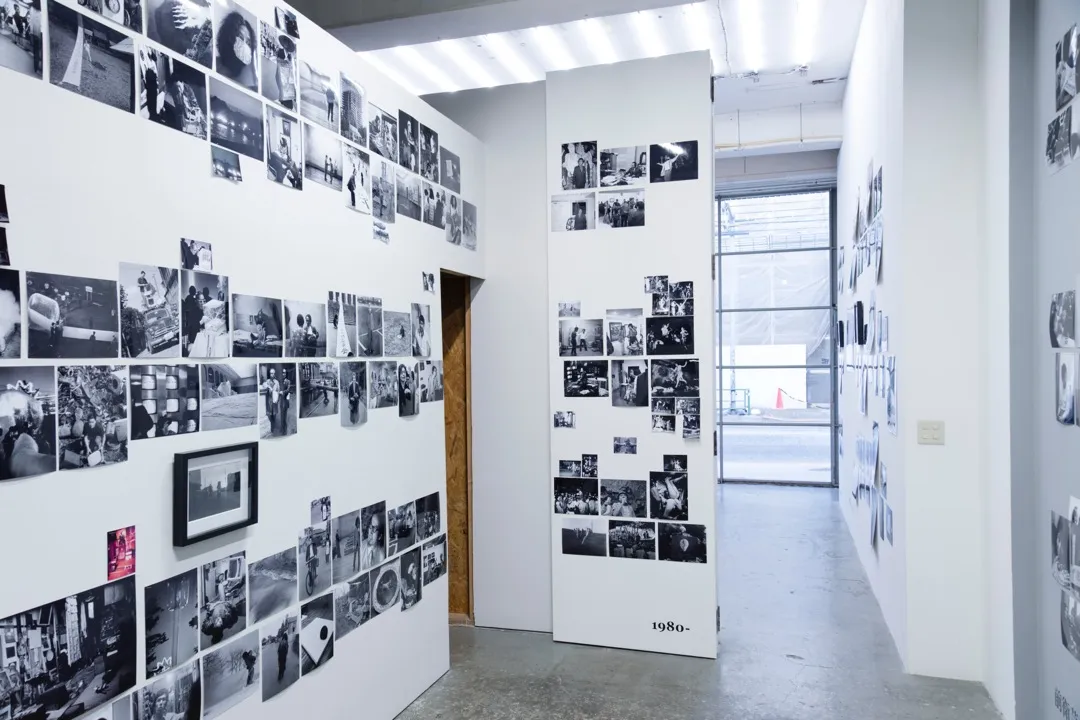
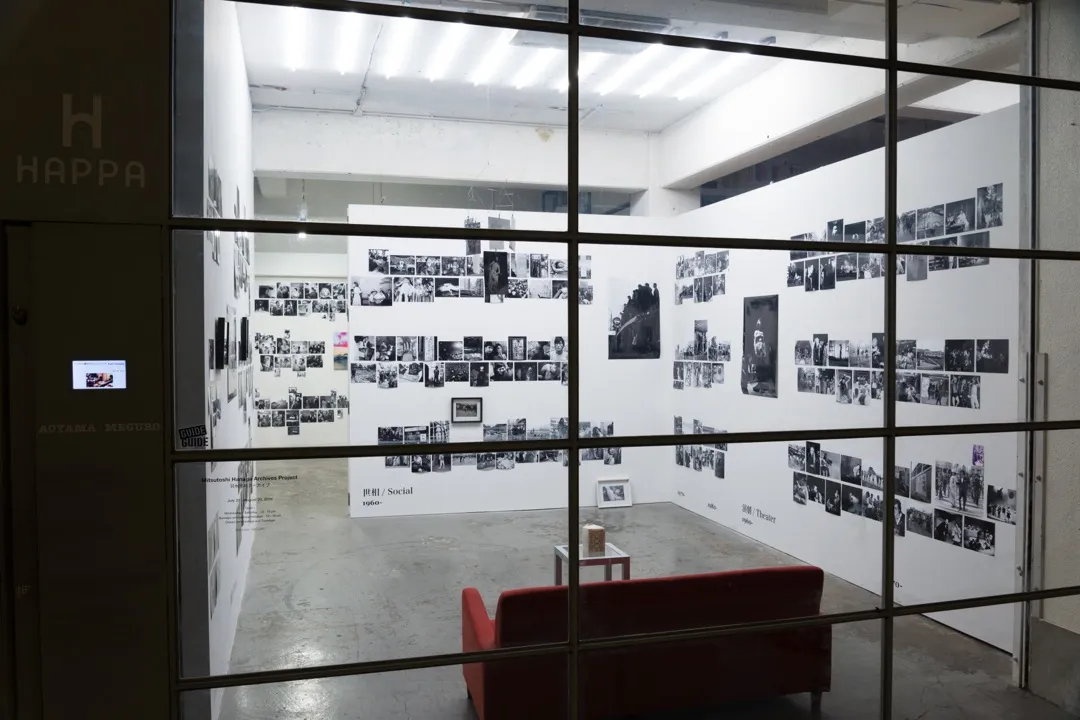
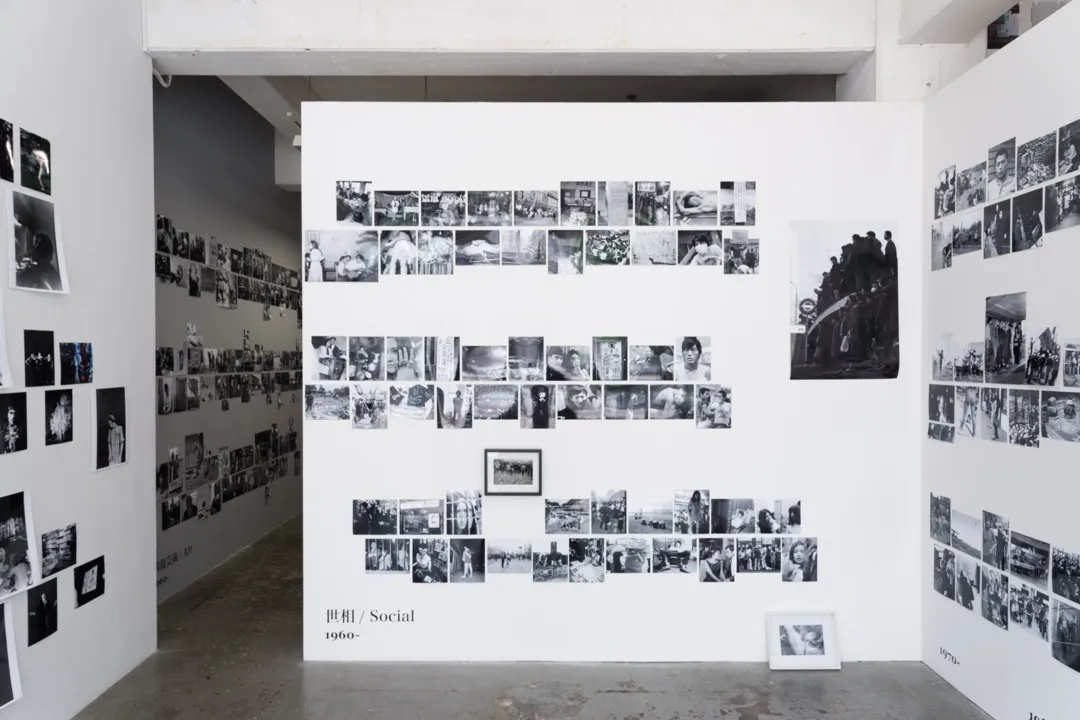
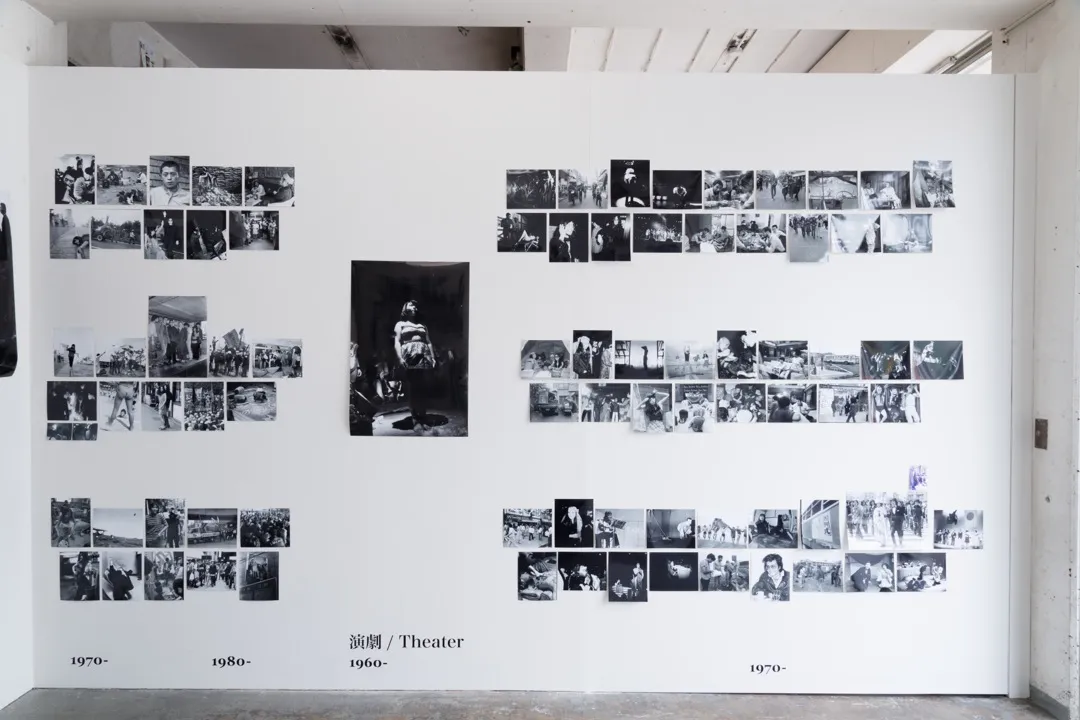
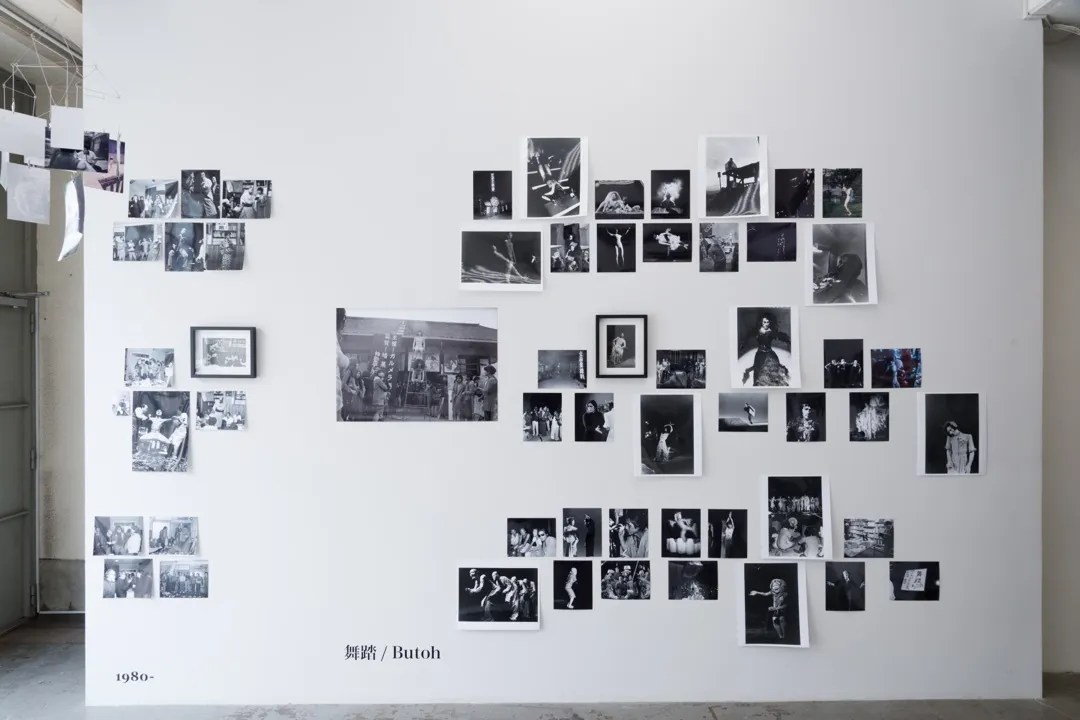
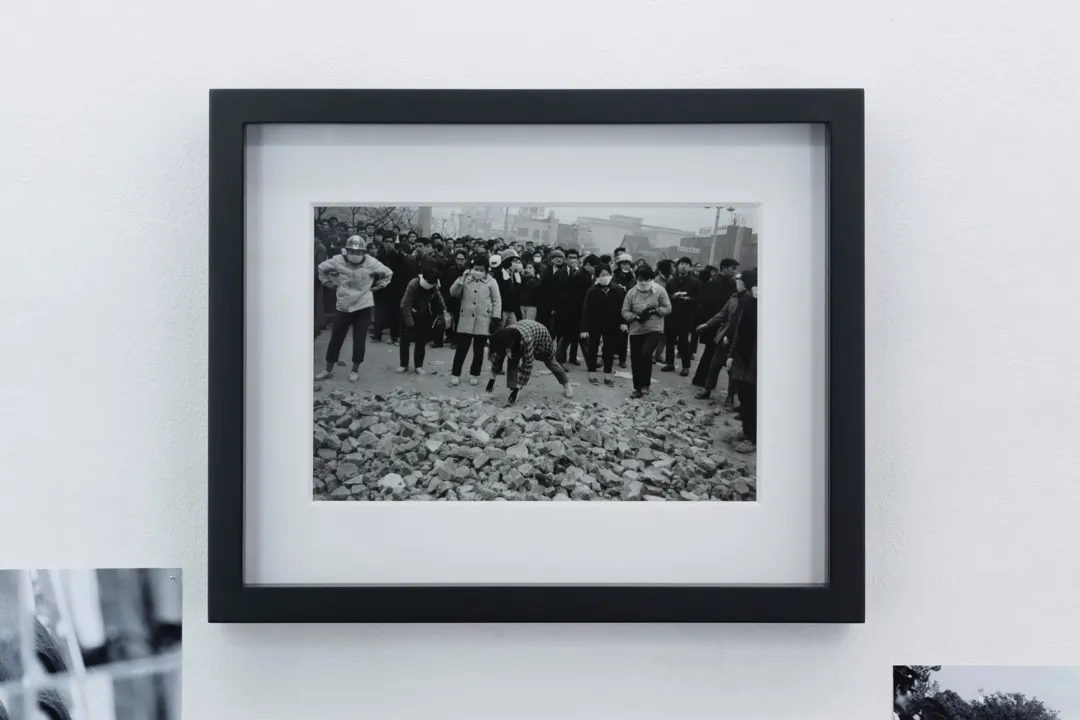
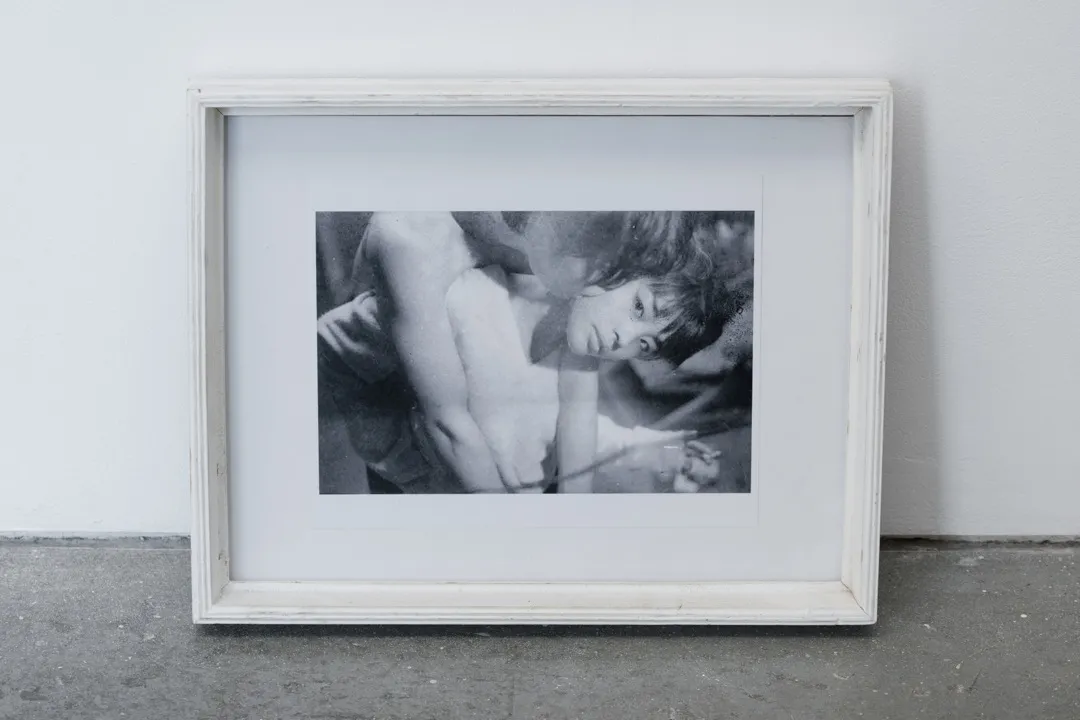
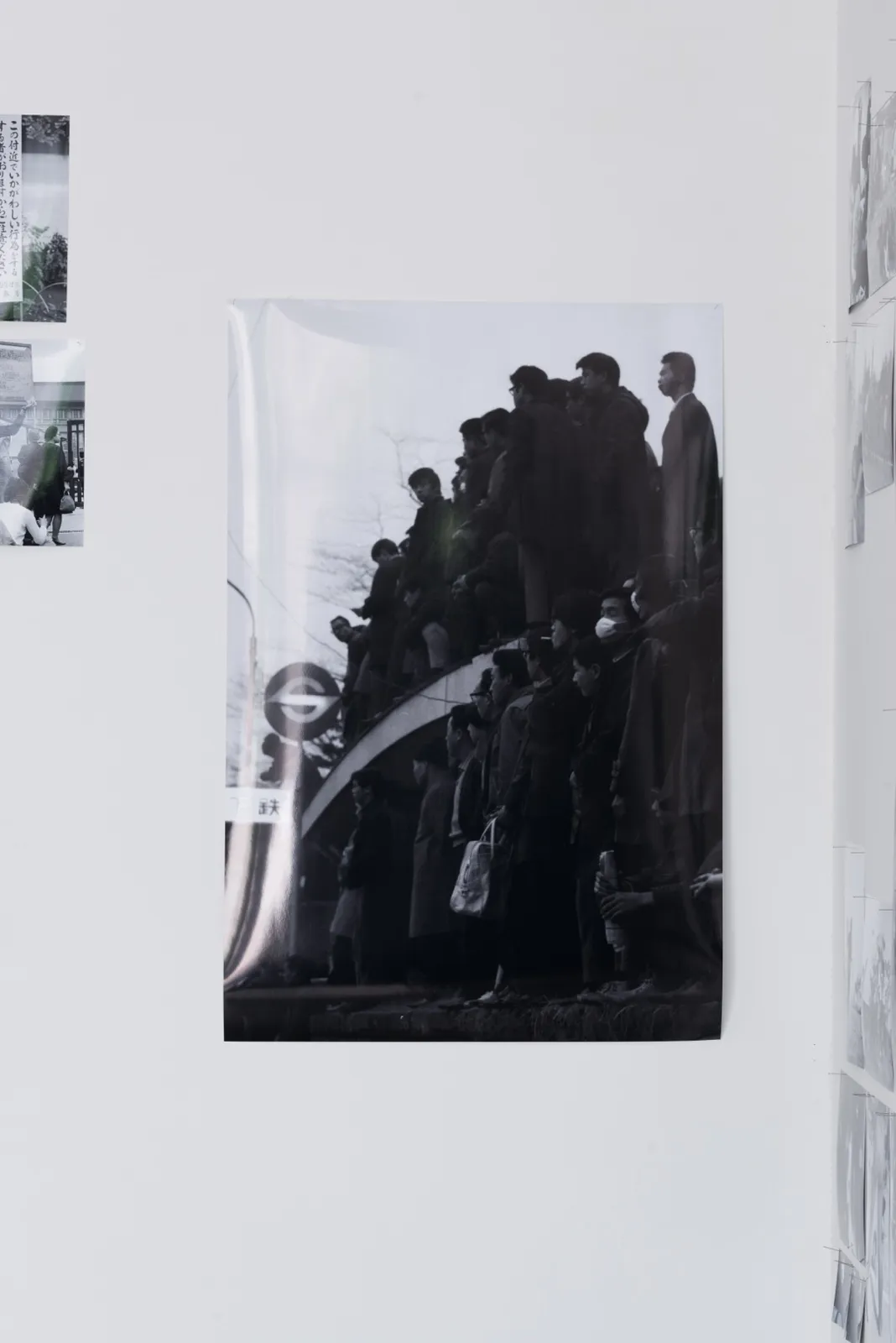
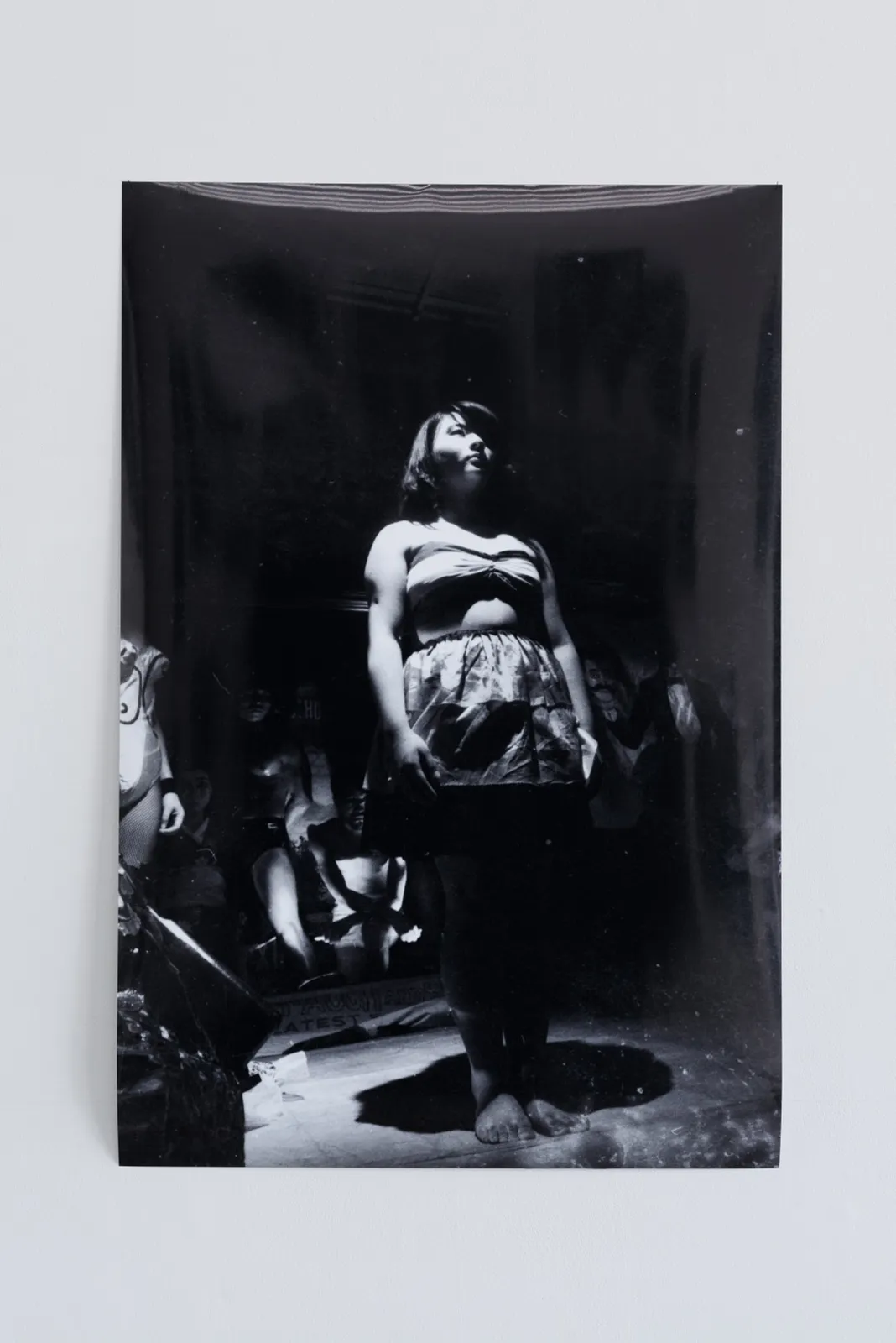
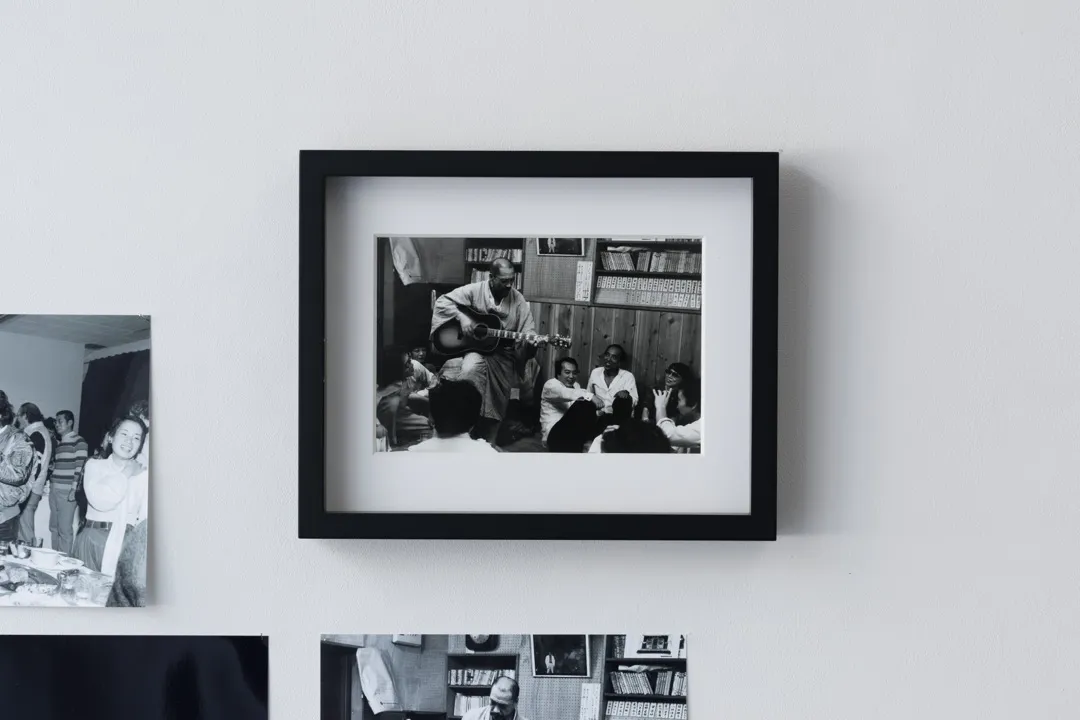
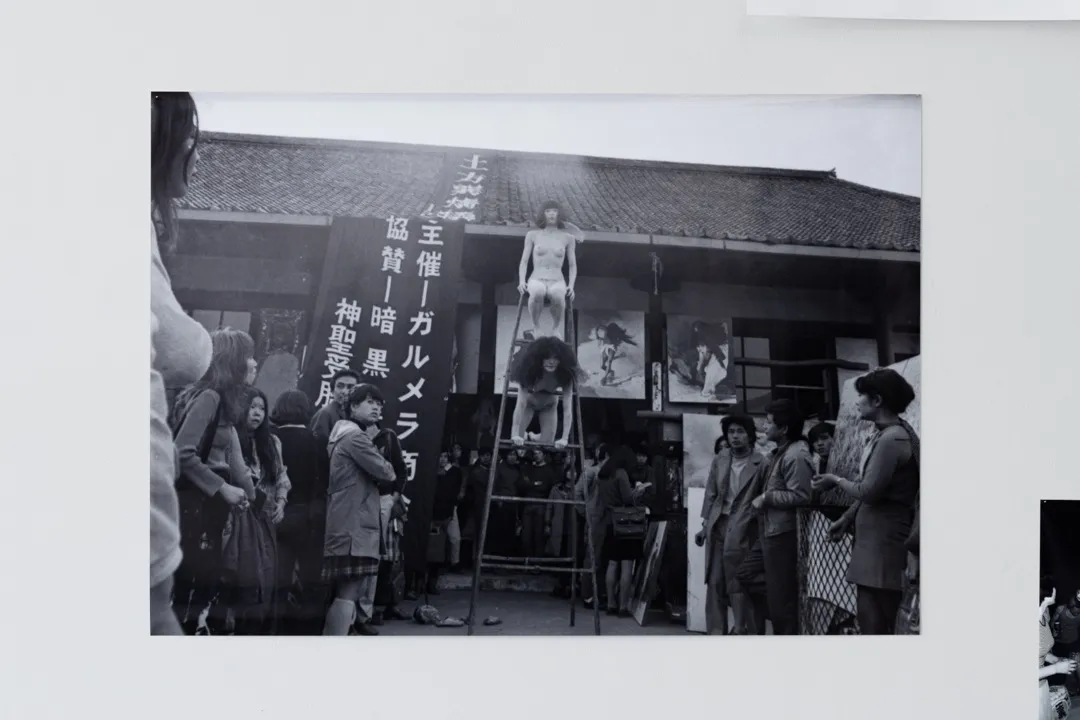
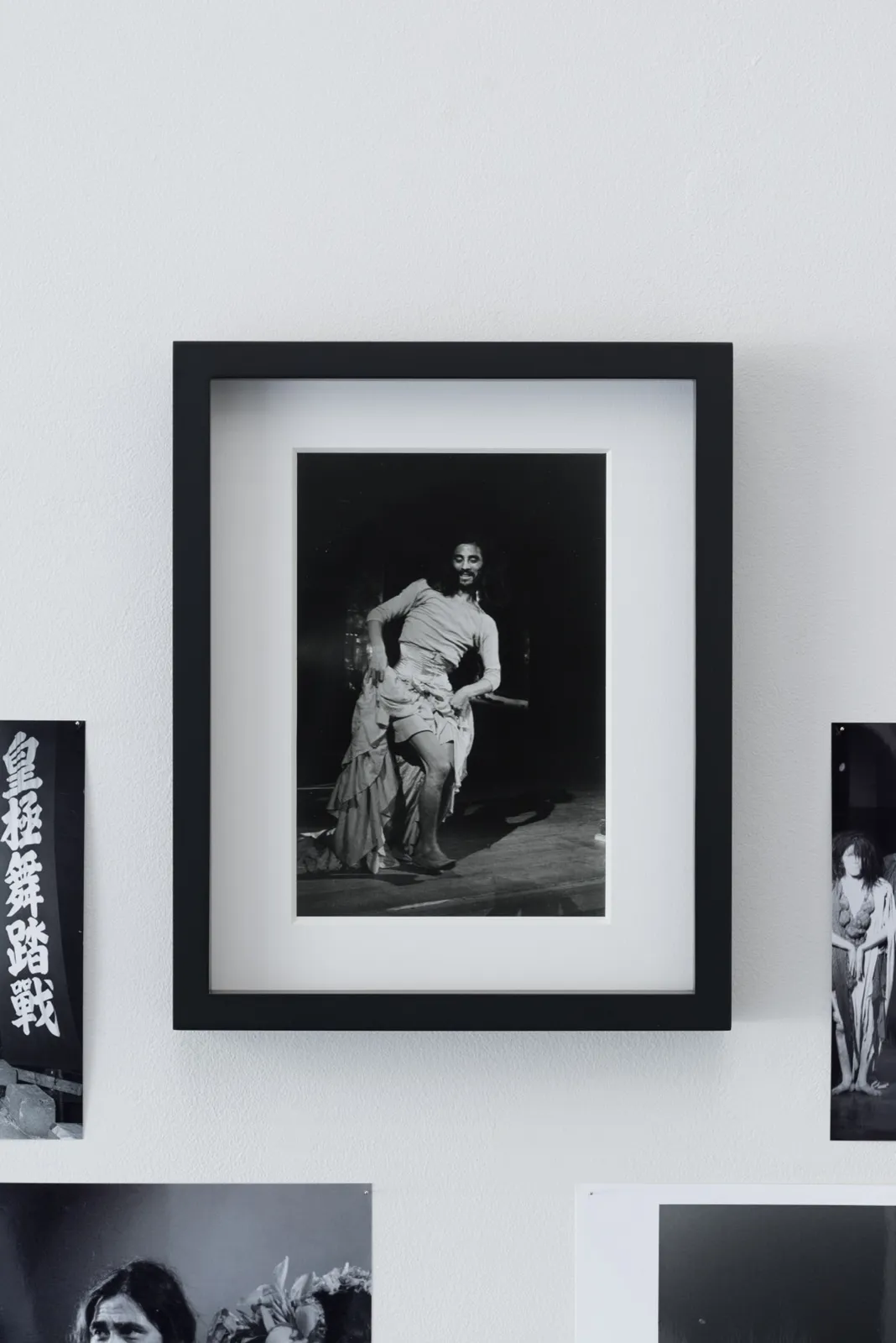
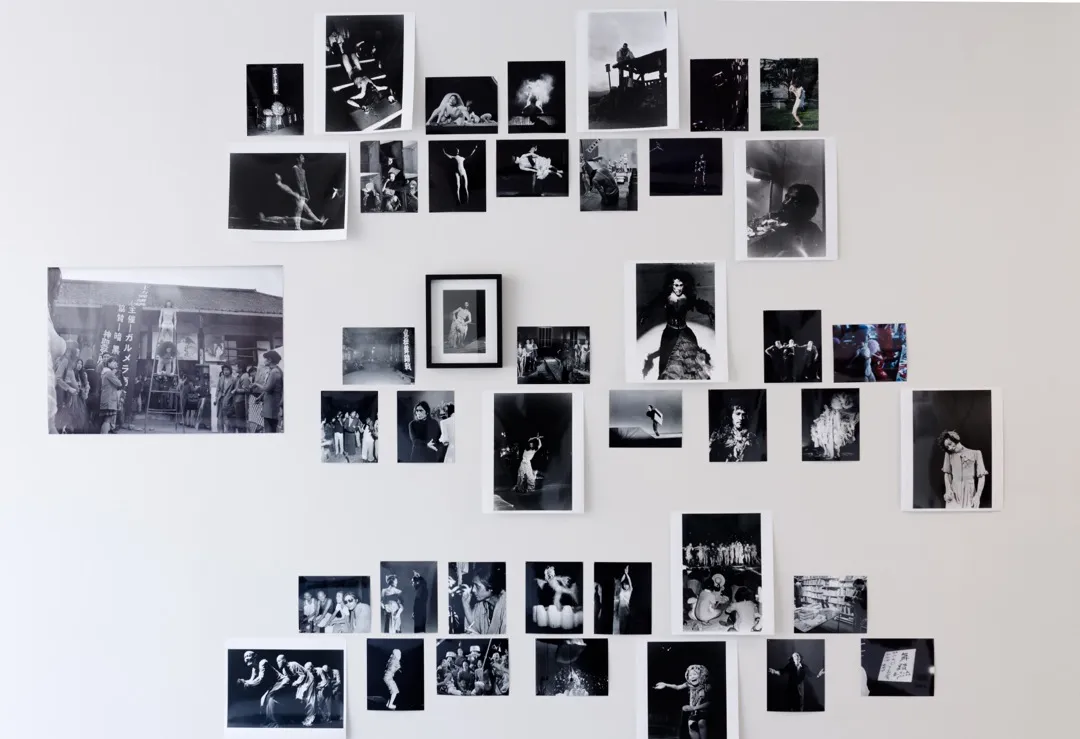
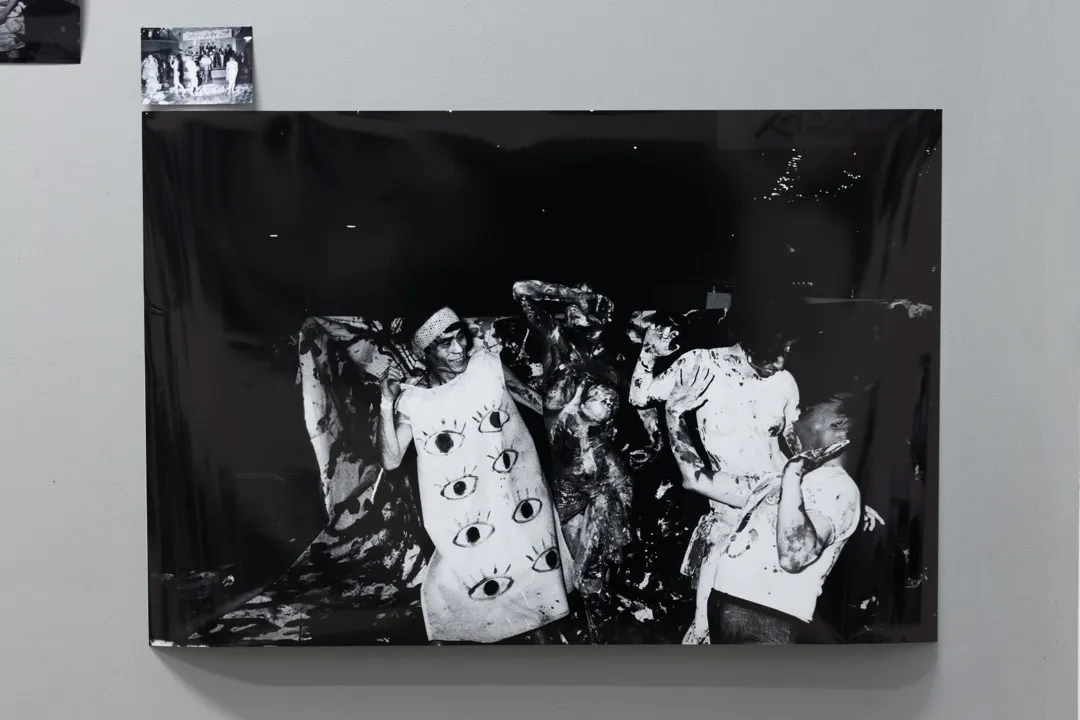
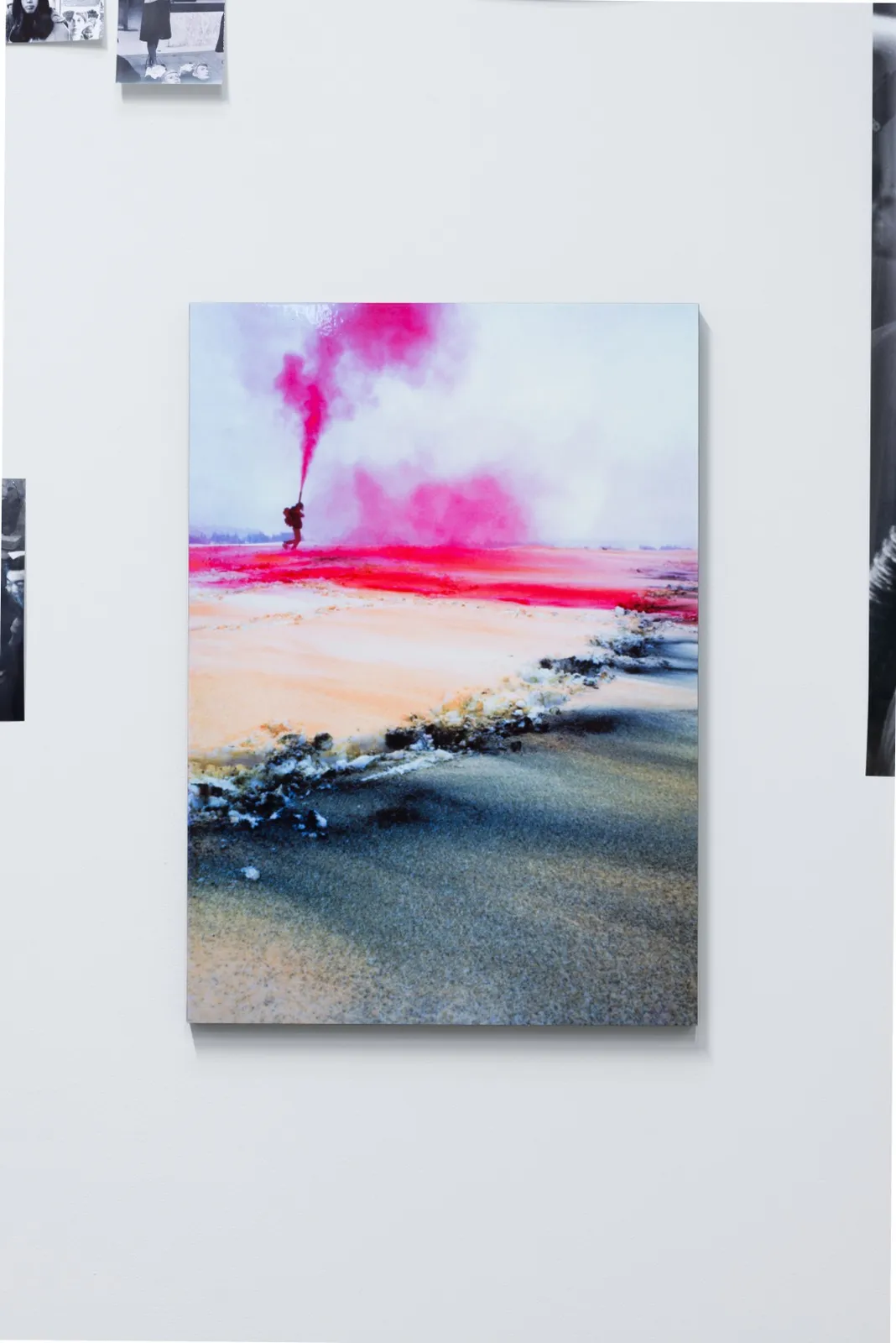
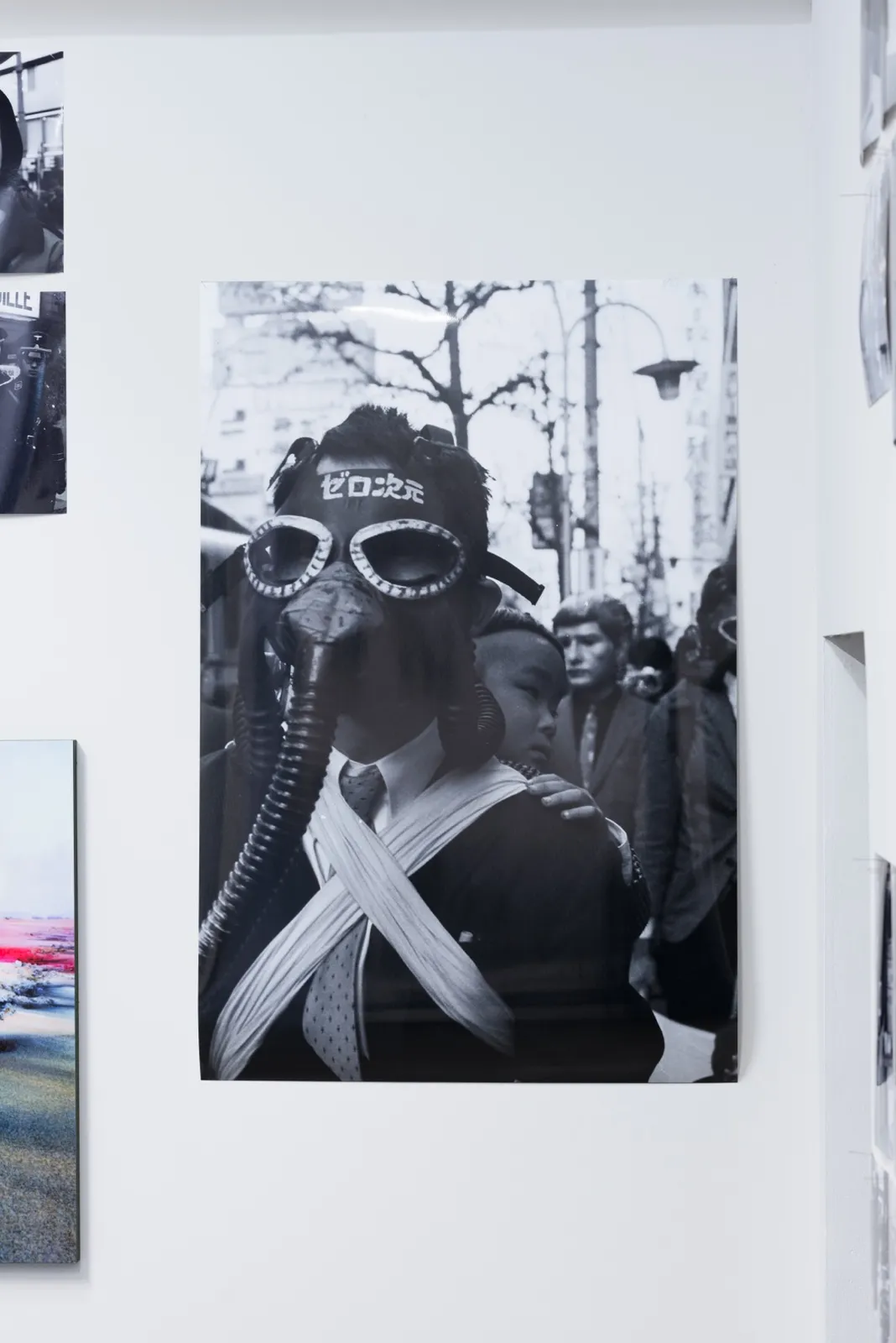
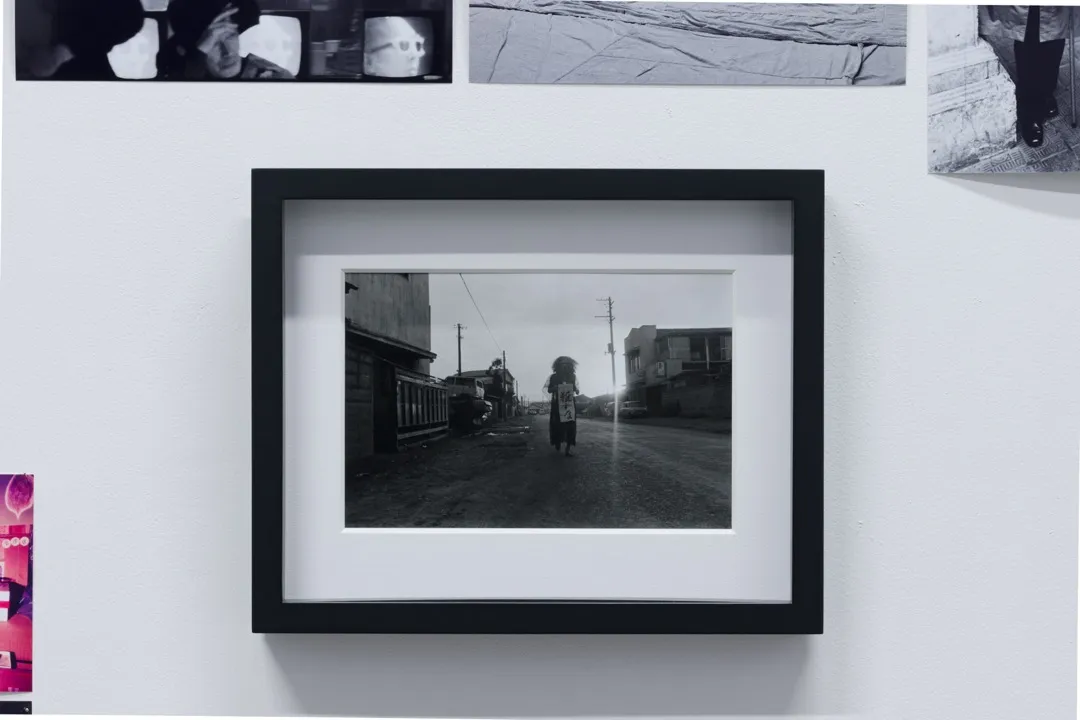
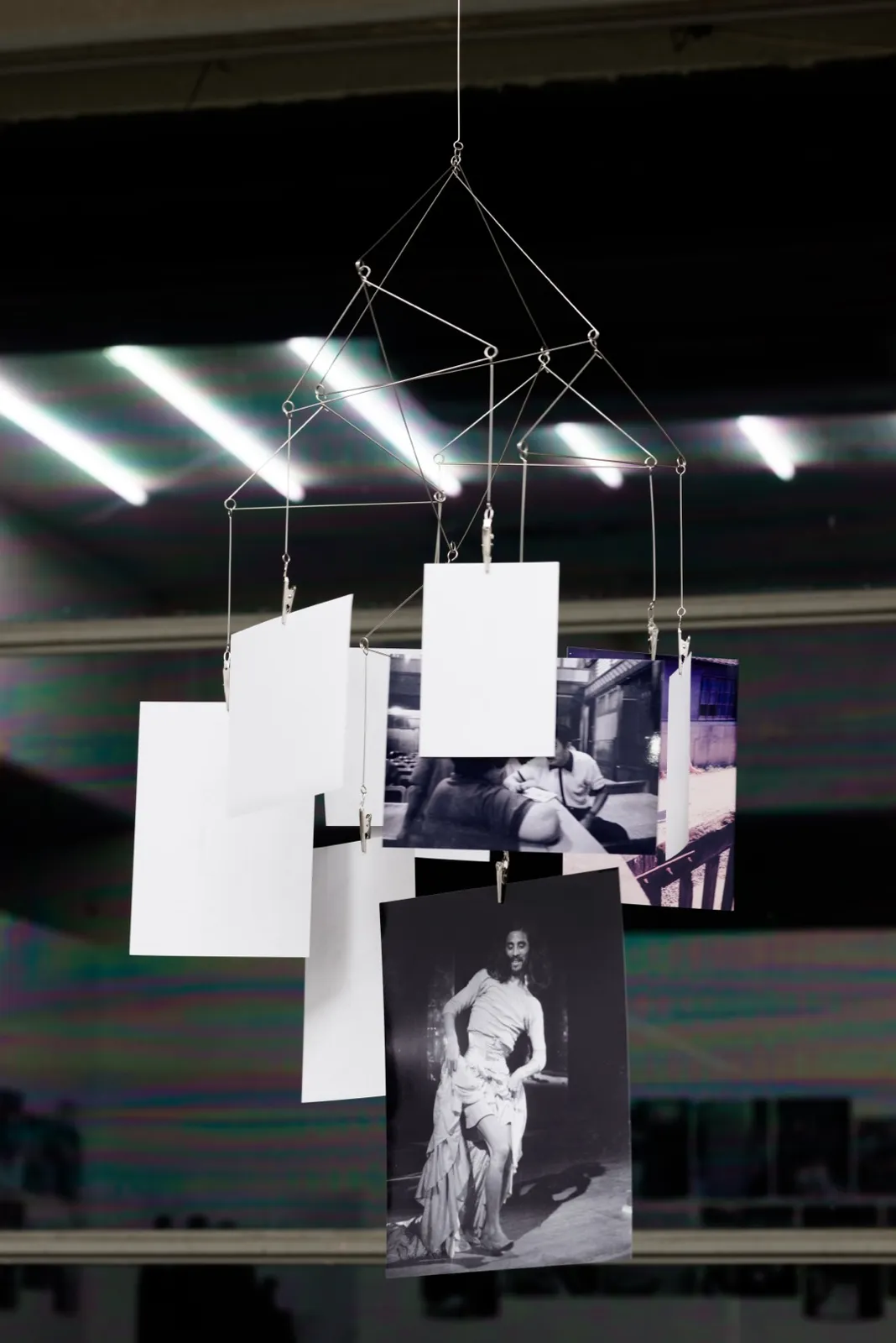
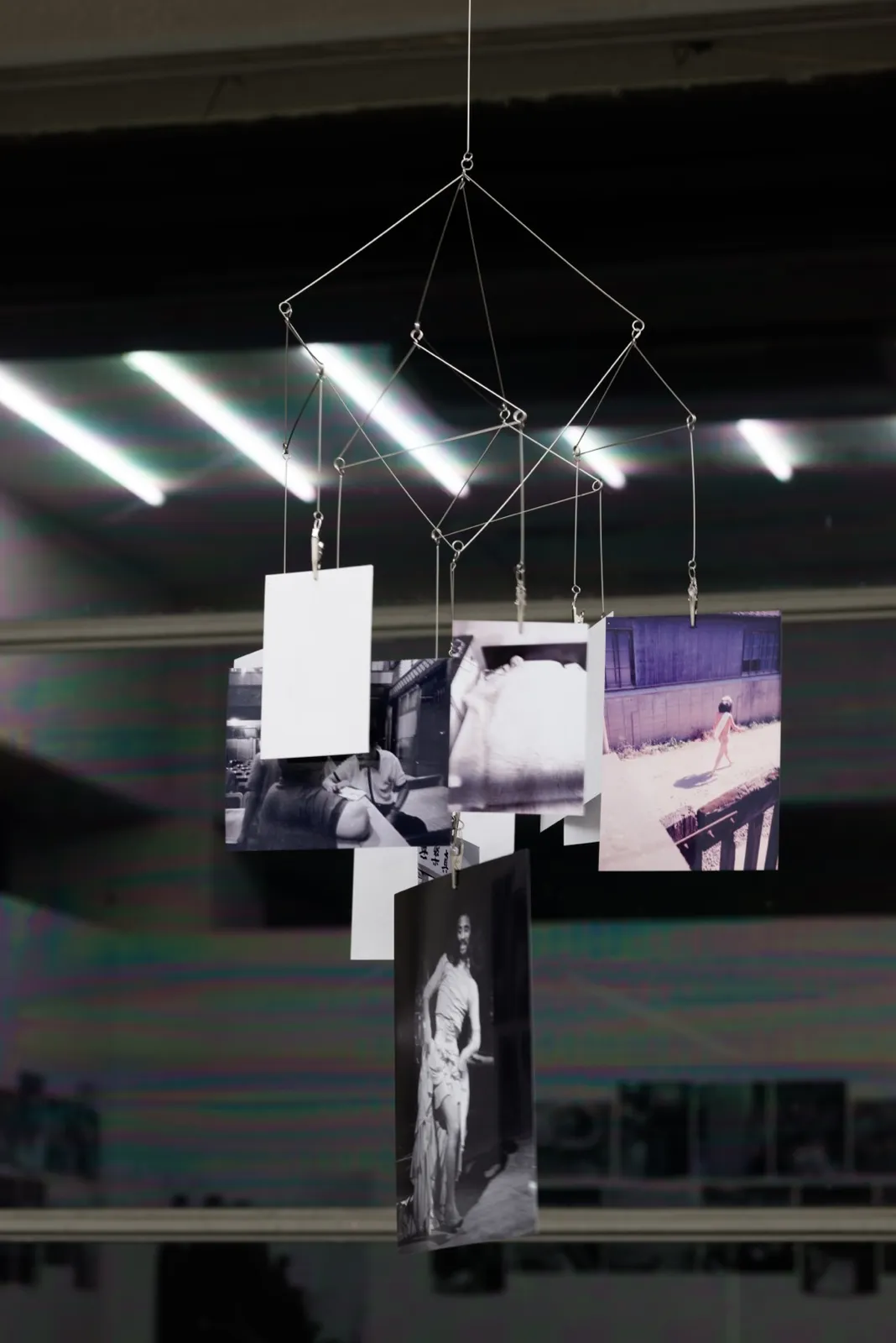
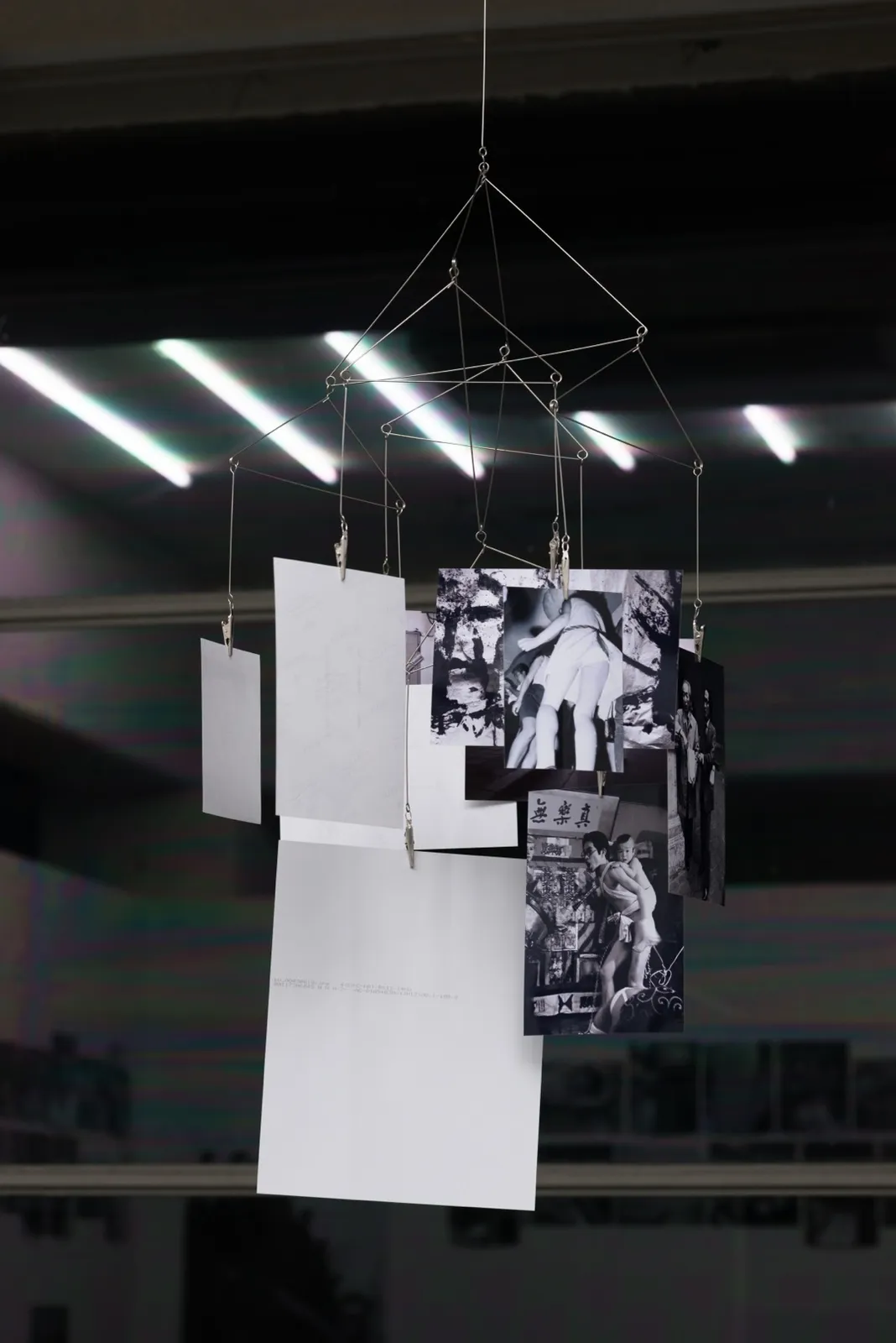
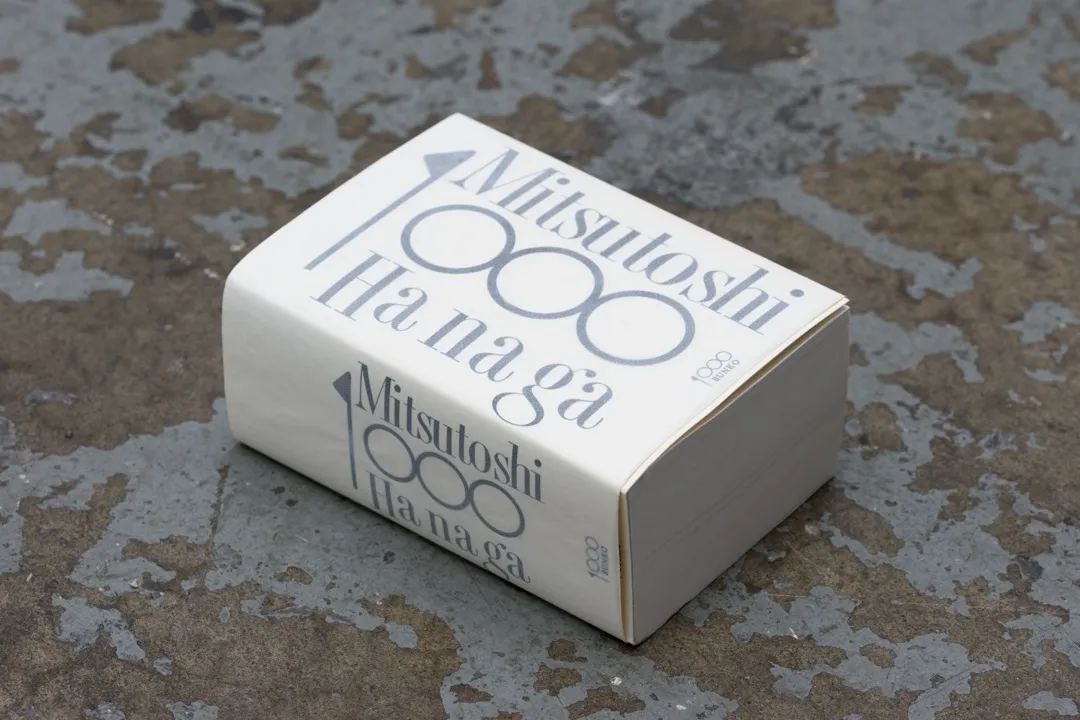
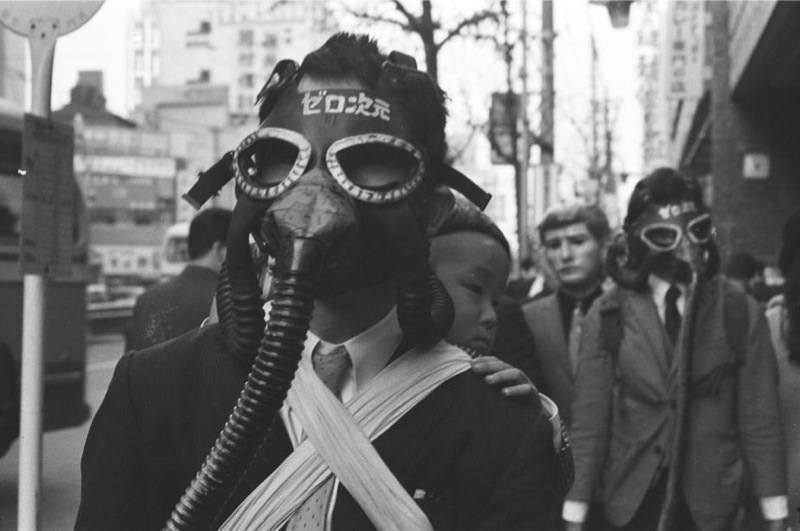
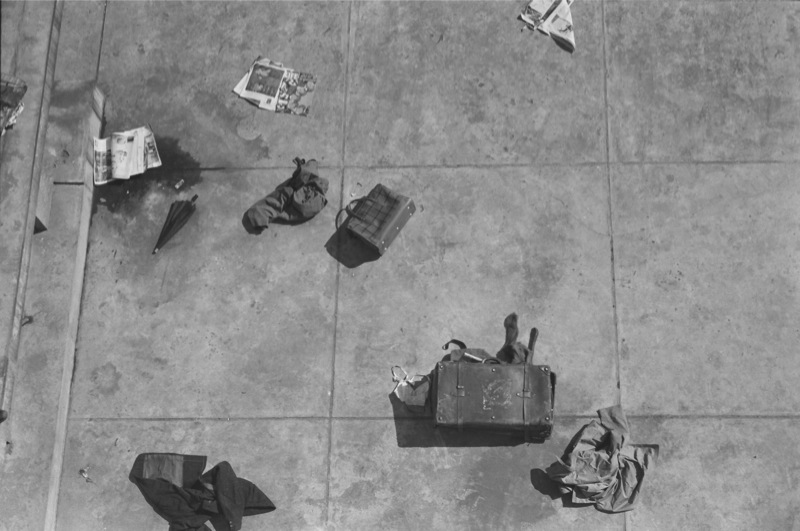
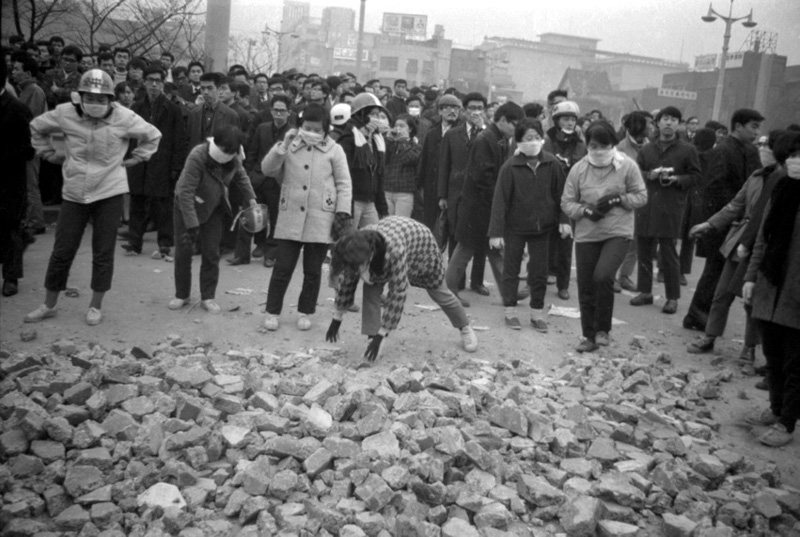
Dec. 9, 1967, Zero Jigen (Yoshihiro Kato) "全裸防毒面歩行儀式 (Zenra-Boudokumen-Hoko-Gishiki)" Photo by Mitsutoshi Hanaga Opening Reception: July. 23 (Sat), 2016, 19 - 21 pm Aoyama Meguro is pleased to announce our new exhibition “Mitsutoshi Hanaga Archives Project” beginning from July 23 through August 20. Based on four themes of avant-garde art, Butoh (avant-garde dance), theater, and social situation, around 200 photographs, selected from the archive of Mitsutoshi Hanaga, etc., will be exhibited. Mitsutoshi Hanaga was born in Tokyo, 1933. He went through the turbulent times from the late 1950s to 1980s when Japanese society experienced a drastic transition and he left behind a huge amount of photographs throughout his lifetime. While living in postwar Japan, which was burdened with various contradictions and social issues, Hanaga continued to record the reality of diverse scenes such as avant-garde art, underground theater, current events, the pollution issue, the student movement, Butoh, and the commune movement through photography from a perspective of the weak and outcast. The existence of Hanaga, who continued to focus on struggling youths seeking their meaning of existence by close contact, has legendarily been remembered and thought of as “an artist behind a system.” A talk event, etc., will be held during the term of the exhibition. This will be announced on our website once details are decided. Please come and view this exhibition where a door into a fresh examination of the transition of postwar Japanese society and the history of avant-garde art will be opened to you through the eyes of Mitsutoshi Hanaga. 1956 Entered the Faculty of Art of the Bunka Gakuin. 1958 Graduated from the Faculty of Art of the Bunka Gakuin. Later served as a lecturer in the college from 1965 to 1968. 1959 - 60 Attracted to the works of Man Ray and Moholy-Nagy, created a photogram “décalcomanie” in his own way. During its exhibition at “NELKEN,” a café-gallery at Koenji, he met Shuzo Takiguchi. 1961 Held the first solo exhibition at Daiichi Gallery (Shinjuku, Tokyo). Having been discovered by Shigene Kanamaru, Takachiyo Uemura, and photographer Hisae Imai, he became an assistant to Imai. 1962 Became a freelance photographer. Published photos which dealt with social issues and avant-garde expressions/activities through photo journalistic or art magazines. During 1962 and 1965, his documentary photos on young people were appeared in “Weekly Heibon” and other photos in “Weekly Josei” magazines, etc. During 1962 and 1968, held his 2nd to 8th solo exhibitions at Daiichi Gallery and Muramatsu Gallery. 1964 His photos were appeared in “LIFE” and “LIFE International” magazines. 1968 - 70 Photos on contemporary art, Butoh, little theater, the adult entertainment business, and social issues appeared in “Fujinkoron” and “Asahi Graph” magazines. 1971 - 75 Serialized photo travel stories in “Weekly Asahi,” published by the Asahi Shimbun Company.
Credits
- 出演
- 井波 吉太郎、羽永太朗
- 企画
- 羽永光利アーカイブ展企画委員会
- 助成
- アーツカウンシル東京(公益財団法人東京都歴史文化財団)